
Hoya
-
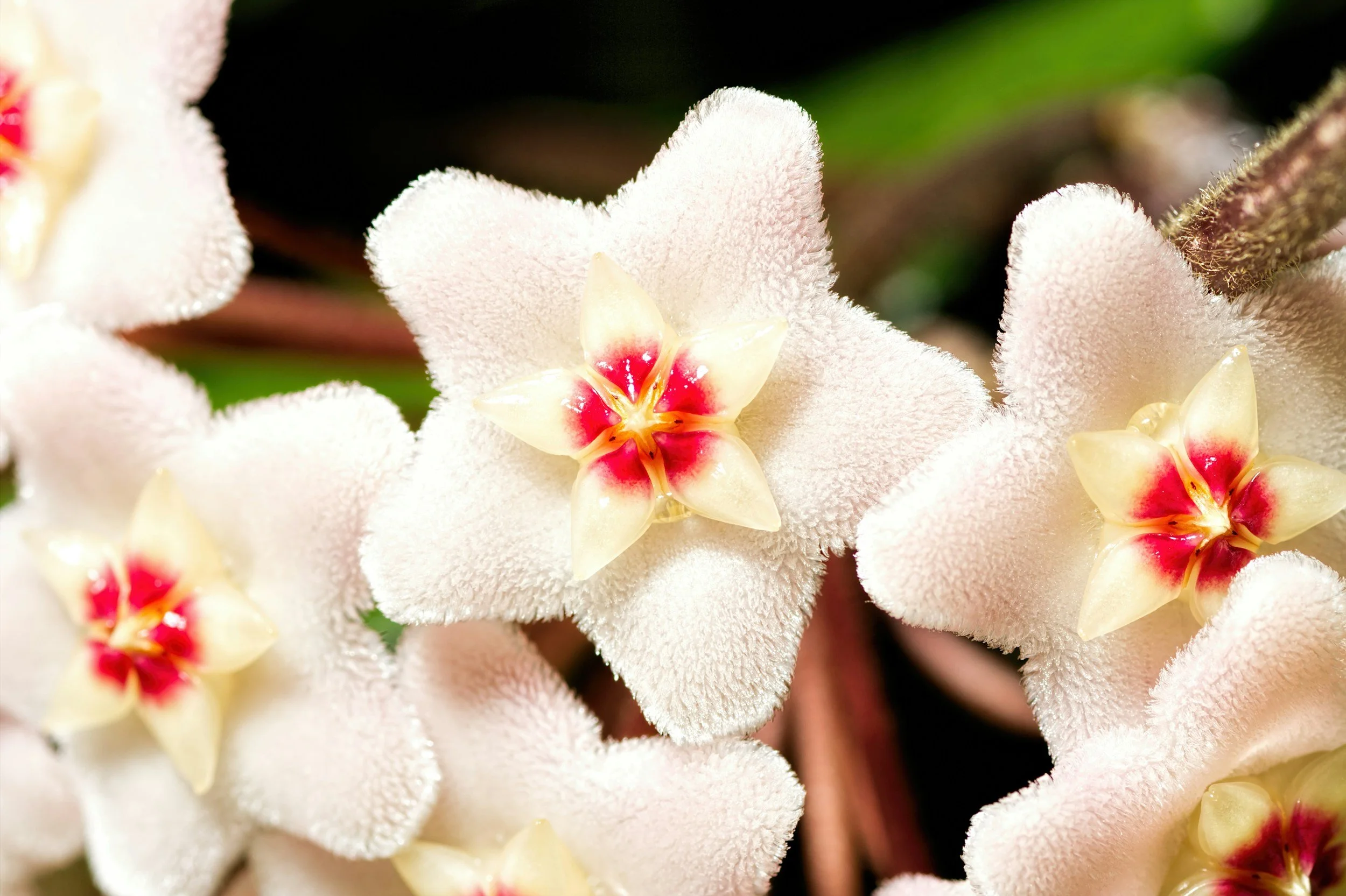
The Hoya Australis, a beautiful variety of the wax plant, is known for its glossy green leaves and fragrant white flowers. This versatile plant is easy to care for, making it an excellent choice for both beginners and experienced plant enthusiasts.
1. Light:
Ideal: Bright, indirect light. Hoya Australis thrives in a well-lit area but away from direct sunlight, which can burn its leaves.
Low Light Tolerance: While it can tolerate lower light conditions, its growth will be slower, and it may not flower as readily.
2. Watering:
Moderate Watering: Water when the top 1-2 inches of soil is dry. Hoya Australis prefers to dry out between waterings, as it stores moisture in its succulent-like leaves.
Overwatering Risk: Avoid overwatering, as this can lead to root rot. Ensure your pot has good drainage.
3. Humidity:
Humidity Preference: Hoya Australis enjoys moderate humidity but can adapt to average indoor levels (40-60%). Higher humidity (above 60%) can promote better growth and blooming.
Boosting Humidity: Mist the plant occasionally or place it near a humidifier, especially in dry climates or during winter.
4. Temperature:
Preferred Range: 65-85°F (18-29°C). This plant enjoys warm temperatures and does not tolerate cold well.
Cold Sensitivity: Avoid temperatures below 50°F (10°C), and keep the plant away from drafts or cold windows.
5. Soil:
Well-Draining Mix: A light, well-draining soil mix is essential. A mix designed for succulents or orchids works well, especially with added perlite or pumice for drainage.
Epiphytic Nature: In the wild, Hoya Australis grows on trees, so it needs aerated soil that mimics its natural environment.
6. Fertilizer:
During Growth: Feed with a balanced, water-soluble fertilizer diluted to half strength every 4-6 weeks during the growing season (spring and summer).
No Fertilizer in Winter: Hoya Australis goes dormant in colder months, so skip feeding in fall and winter when its growth slows.
7. Repotting:
Infrequent Repotting: Hoya Australis likes to be slightly root-bound, so repotting every 2-3 years is usually enough unless the plant outgrows its pot.
8. Pruning:
Minimal Pruning: Prune lightly to remove dead or damaged leaves or to control its growth. Avoid cutting off the long tendrils, as these may produce flowers.
9. Propagation:
Easy Propagation: Hoya Australis can be propagated through stem cuttings. Take cuttings just below a node and place them in water or directly into moist soil. Keep the cutting in a warm, humid environment until it roots.
10. Pests:
Common Pests: Watch for pests like mealybugs, spider mites, and aphids. If infested, use insecticidal soap or neem oil to treat the plant.
11. Blooming:
Fragrant Flowers: When mature and provided with proper care, Hoya Australis produces clusters of small, star-shaped, fragrant white flowers. Flowers often appear in the warmer months, and bright light increases the chances of blooming.
Patience Required: It may take time for the plant to bloom, especially if it's younger or hasn’t received enough light.
-
Hoya Bella, also known as the "Beautiful Hoya" or "Miniature Wax Plant," is a charming variety known for its slender, lance-shaped leaves and clusters of delicate, star-shaped flowers with white petals and a pink or purple center. This compact, trailing plant is perfect for hanging baskets or as an indoor ornamental, and it is relatively easy to care for with the right conditions. Hoya Bella is a fantastic addition to any indoor plant collection.
1. Light:
Ideal: Hoya Bella thrives in bright, indirect light. It loves a sunny spot with filtered light, as this promotes healthy growth and enhances the chances of flowering.
Low Light Tolerance: It can adapt to lower light conditions but may grow more slowly and bloom less frequently.
2. Watering:
Moderate Watering: Water Hoya Bella when the top inch of the soil is dry. Keep the soil consistently moist but not soggy, as this plant enjoys regular watering.
Overwatering Risk: Be cautious of overwatering, which can lead to root rot. Ensure that the pot has drainage holes to allow excess water to escape.
3. Humidity:
Average to High Humidity: Hoya Bella prefers humidity levels of 50-70%, though it can tolerate average household humidity.
Boosting Humidity: To maintain optimal humidity, mist the plant regularly or place it near a humidifier, especially during dry winter months.
4. Temperature:
Preferred Range: 60-80°F (16-27°C). Hoya Bella thrives in warm temperatures and should be kept away from cold drafts or air conditioners.
Cold Sensitivity: Avoid exposing the plant to temperatures below 50°F (10°C), as it is sensitive to cold and can suffer from damage if exposed to low temperatures.
5. Soil:
Well-Draining Mix: Use a light, well-draining soil mix, such as a combination of cactus or succulent soil with orchid bark or perlite. This will prevent water retention and keep the roots healthy.
Airy Soil: Hoya Bella prefers an airy, loose mix that allows for good drainage and aeration, mimicking its natural epiphytic environment.
6. Fertilizer:
During Growth: Feed the plant every 4-6 weeks during the growing season (spring and summer) with a balanced, water-soluble fertilizer diluted to half strength.
Dormant Period: Reduce or stop fertilizing in the fall and winter when the plant’s growth slows down.
7. Repotting:
Infrequent Repotting: Hoya Bella prefers to be slightly root-bound and doesn’t need frequent repotting. Repot every 2-3 years, or when the roots have outgrown the pot.
8. Pruning:
Minimal Pruning: Prune only to remove dead or damaged leaves or to shape the plant. Be careful not to cut off the long, thin vines, as these may develop flowers.
9. Propagation:
Easy Propagation: Hoya Bella can be easily propagated through stem cuttings. Take a cutting just below a node and place it in water or moist soil. Keep it in a warm, humid environment until roots develop.
10. Pests:
Common Pests: Hoya Bella can occasionally attract pests like mealybugs, aphids, and spider mites. Treat infestations with insecticidal soap or neem oil, and regularly check the plant for signs of pests.
11. Blooming:
Fragrant Flowers: Hoya Bella produces beautiful, fragrant clusters of small, star-shaped flowers with white petals and a pink or purple center. These blooms often appear in the summer and can last for weeks.
Encouraging Blooms: To encourage blooming, provide bright, indirect light and consistent care. Avoid moving the plant too often, as it may cause the plant to drop its buds before they bloom.
-
Hoya Burtoniae is a charming variety of the Hoya family, known for its small, fuzzy leaves that can take on a reddish hue under bright light. This plant is an excellent choice for hanging baskets or trailing over shelves, and its ease of care makes it a favorite among Hoya enthusiasts.
1. Light:
Ideal: Bright, indirect light. Hoya Burtoniae thrives in well-lit spaces but should be kept out of direct sunlight, which can burn its leaves.
Low Light Tolerance: While it can tolerate lower light conditions, expect slower growth and fewer flowers.
2. Watering:
Light Watering: Water when the top 1-2 inches of soil feels dry. Allow the soil to dry out between waterings, as Hoya Burtoniae doesn’t like to sit in soggy soil.
Overwatering Risk: Avoid overwatering, as this can lead to root rot. Ensure the pot has good drainage.
3. Humidity:
Moderate Humidity: Hoya Burtoniae enjoys moderate humidity levels (40-60%), but it is relatively adaptable to lower household humidity.
Boosting Humidity: In dry climates, mist the plant occasionally or place it near a humidifier, especially in the winter when indoor air can be drier.
4. Temperature:
Preferred Range: 60-85°F (16-29°C). It thrives in warmer conditions but is sensitive to cold.
Cold Sensitivity: Avoid temperatures below 50°F (10°C), and keep it away from drafts or cold windows.
5. Soil:
Well-Draining Mix: Use a light, well-draining potting mix. A blend of succulent or orchid mix with added perlite or pumice works well for Hoya Burtoniae.
Aeration: As an epiphytic plant, Hoya Burtoniae benefits from airy soil that mimics its natural growing environment.
6. Fertilizer:
During Growth: Fertilize with a balanced, water-soluble fertilizer diluted to half strength every 4-6 weeks during the growing season (spring and summer).
No Fertilizer in Winter: Avoid feeding during the fall and winter months when the plant enters a dormant phase and its growth slows.
7. Repotting:
Infrequent Repotting: Like most Hoyas, Burtoniae prefers being slightly root-bound. Repot only when necessary, typically every 2-3 years or when the plant outgrows its container.
8. Pruning:
Minimal Pruning: Prune lightly to remove dead or damaged leaves and control the plant’s growth. Avoid cutting the long vines, as these may be where flowers form.
9. Propagation:
Easy Propagation: Propagate Hoya Burtoniae through stem cuttings. Cut just below a node and root the cutting in water or directly into moist soil. Keep the cuttings in a warm, humid environment until they root.
10. Pests:
Common Pests: Be on the lookout for pests such as mealybugs, spider mites, and aphids. Treat infestations with insecticidal soap or neem oil.
11. Blooming:
Unique Flowers: Hoya Burtoniae produces clusters of small, star-shaped flowers with a reddish or pinkish hue. These blooms are typically fragrant and appear during the warmer months when the plant is mature and well-cared for.
Encouraging Blooms: Providing bright, indirect light and consistent care will increase the chances of flowering, but patience is key, as it may take a while for the plant to bloom.
-
Hoya Callistophylla is admired for its striking large leaves, which are marked with dark green veins that create a beautiful contrast on the lighter green background. This tropical plant is fairly easy to care for and makes a unique addition to any plant collection with its bold foliage and fragrant blooms.
1. Light:
Ideal: Bright, indirect light is best for Hoya Callistophylla. It thrives in well-lit spaces but avoid direct sunlight, which can scorch its delicate leaves.
Low Light Tolerance: While it can adapt to lower light conditions, its growth will be slower, and it may not bloom as frequently.
2. Watering:
Moderate Watering: Water when the top 1-2 inches of soil is dry. Like many Hoyas, Callistophylla prefers to dry out between waterings and doesn’t like to sit in waterlogged soil.
Overwatering Risk: Ensure that the pot has good drainage to prevent root rot, as this plant is sensitive to overwatering.
3. Humidity:
High Humidity: Hoya Callistophylla prefers higher humidity levels, ideally around 60-80%. This helps the plant thrive and encourages lush growth.
Boosting Humidity: If your home is dry, mist the plant occasionally or use a humidifier to maintain an ideal environment, especially during winter months.
4. Temperature:
Preferred Range: 65-85°F (18-29°C). This Hoya enjoys warm temperatures and does not tolerate cold drafts or sudden temperature drops.
Cold Sensitivity: Avoid exposure to temperatures below 50°F (10°C), as the plant may suffer damage or stunted growth.
5. Soil:
Well-Draining Mix: Use a light, well-draining soil mix. A blend of orchid mix or cactus soil with added perlite or pumice works well to mimic the airy growing conditions Hoyas prefer.
Aeration: Hoya Callistophylla is epiphytic, meaning it grows on trees in its natural habitat. Soil that allows air to reach the roots is crucial for healthy growth.
6. Fertilizer:
During Growth: Fertilize every 4-6 weeks during the active growing season (spring and summer) with a balanced, water-soluble fertilizer diluted to half strength.
Dormant Period: Reduce or stop feeding during the fall and winter when the plant’s growth slows down.
7. Repotting:
Infrequent Repotting: Hoya Callistophylla doesn’t need frequent repotting, as it prefers being slightly root-bound. Repot every 2-3 years or when the plant outgrows its container.
8. Pruning:
Minimal Pruning: Prune sparingly to remove any dead or damaged leaves. It is important to avoid pruning the long tendrils, as these may produce flowers.
9. Propagation:
Easy Propagation: Hoya Callistophylla can be propagated through stem cuttings. Take a cutting just below a node and root it in water or directly into moist soil. Ensure the cuttings are kept in a warm, humid environment until they establish roots.
10. Pests:
Common Pests: Keep an eye out for common pests like mealybugs, spider mites, and aphids. Treat any infestations promptly with insecticidal soap or neem oil.
11. Blooming:
Fragrant Flowers: With proper care, Hoya Callistophylla may produce clusters of star-shaped, fragrant white or yellowish-green flowers. These blooms usually appear during the growing season and can be quite striking.
Encouraging Blooms: Bright, indirect light and consistent care will help trigger flowering, but it can take time for the plant to reach maturity and bloom.
-
Hoya Carnosa, often called the "wax plant," is one of the most popular and easy-to-care-for Hoya species. It features thick, waxy leaves and clusters of fragrant star-shaped flowers. Perfect for both novice and experienced plant lovers, Hoya Carnosa can thrive indoors with the right care.
1. Light:
Ideal: Bright, indirect light is perfect for Hoya Carnosa. It thrives in well-lit spaces but should be protected from harsh, direct sunlight, which can scorch its leaves.
Low Light Tolerance: It can tolerate lower light, but this will slow growth and reduce the likelihood of blooming.
2. Watering:
Moderate Watering: Allow the top 1-2 inches of soil to dry out between waterings. Hoya Carnosa has semi-succulent leaves that store moisture, so it's important to avoid overwatering.
Overwatering Risk: Ensure the pot has proper drainage to prevent root rot, which can happen if the plant sits in soggy soil for too long.
3. Humidity:
Average Humidity: Hoya Carnosa is quite adaptable to typical indoor humidity levels (40-60%), but it will appreciate a bit more humidity, especially in dry environments.
Boosting Humidity: Mist the plant occasionally or use a humidity tray or humidifier to provide higher humidity during dry seasons.
4. Temperature:
Preferred Range: 60-85°F (16-29°C). Hoya Carnosa prefers warm temperatures and does not handle cold drafts or sudden temperature fluctuations well.
Cold Sensitivity: Keep the plant away from temperatures below 50°F (10°C), as it is not frost-tolerant.
5. Soil:
Well-Draining Mix: Use a light, well-draining soil mix. A mix of cactus or succulent soil with added perlite or orchid bark will provide the aeration and drainage Hoya Carnosa needs.
Epiphytic Nature: In the wild, this plant grows on trees, so it prefers airy, loose soil that doesn’t retain too much water.
6. Fertilizer:
During Growth: Fertilize every 4-6 weeks in the growing season (spring and summer) with a balanced, water-soluble fertilizer diluted to half strength.
Dormant Period: In fall and winter, the plant’s growth slows, so reduce or stop feeding during these months.
7. Repotting:
Infrequent Repotting: Hoya Carnosa likes to be slightly root-bound and does not need frequent repotting. Repot every 2-3 years or when the plant visibly outgrows its pot.
8. Pruning:
Minimal Pruning: Prune only to remove dead or damaged leaves or to control the plant's size. Be careful not to cut off the long tendrils, as these may develop flowers.
9. Propagation:
Easy Propagation: Hoya Carnosa is easy to propagate from stem cuttings. Cut just below a node and place the cutting in water or directly in moist soil. Keep the cutting in a warm, humid environment until roots develop.
10. Pests:
Common Pests: Watch for pests like mealybugs, spider mites, and aphids. If an infestation occurs, treat the plant with insecticidal soap or neem oil.
11. Blooming:
Fragrant Flowers: Hoya Carnosa produces clusters of star-shaped flowers with a waxy texture and sweet fragrance. The blooms are usually white or pink, with a red center, and often appear during the warmer months.
Encouraging Blooms: Bright, indirect light and consistent care can help encourage flowering. Hoya Carnosa may take some time to bloom, especially when grown indoors, but patience and proper lighting will reward you with beautiful flowers.
-
Hoya Caudata Sumatra is a unique and striking variety of Hoya known for its dramatic foliage, which features wavy, dark green leaves with silver splashes and reddish edges. Native to Southeast Asia, this Hoya is also loved for its star-shaped, fuzzy flowers that add even more beauty to an already stunning plant. Though not the fastest grower, Hoya Caudata Sumatra is relatively easy to care for, making it a favorite among collectors.
1. Light:
Ideal: Hoya Caudata Sumatra thrives in bright, indirect light. This lighting encourages healthy growth and increases the likelihood of flowering.
Low Light Tolerance: It can adapt to lower light, but reduced light may slow its growth and decrease the chances of blooming.
2. Watering:
Moderate Watering: Allow the top 1-2 inches of soil to dry out between waterings. This semi-succulent Hoya can handle a bit of dryness but doesn’t like to be kept overly wet.
Overwatering Risk: Make sure the soil drains well and the pot has drainage holes to prevent water from sitting at the roots, which can lead to root rot.
3. Humidity:
High Humidity: Hoya Caudata Sumatra prefers higher humidity, typically around 60-80%. In lower humidity environments, the plant might grow more slowly.
Boosting Humidity: Increase humidity by misting the plant regularly, placing it near a humidifier, or setting it on a humidity tray to ensure optimal growing conditions.
4. Temperature:
Preferred Range: 65-80°F (18-27°C). This tropical plant loves warmth and should be kept away from cold drafts.
Cold Sensitivity: Hoya Caudata Sumatra is sensitive to cold. Temperatures below 50°F (10°C) can cause damage to the leaves and stunt growth.
5. Soil:
Well-Draining Mix: Use a mix that provides excellent drainage, such as a combination of cactus or succulent soil with orchid bark or perlite. This mimics the plant’s natural environment and helps prevent root rot.
Airy Soil: Hoya Caudata Sumatra prefers a light, airy substrate that does not retain too much moisture, allowing the roots to breathe.
6. Fertilizer:
During Growth: Feed the plant every 4-6 weeks during the growing season (spring and summer) with a balanced, water-soluble fertilizer at half strength to promote healthy growth.
Dormant Period: Stop fertilizing during the fall and winter months when growth slows down.
7. Repotting:
Infrequent Repotting: This plant enjoys being slightly root-bound, so it doesn’t need frequent repotting. Repot every 2-3 years, or when the roots have outgrown the pot.
8. Pruning:
Minimal Pruning: Prune sparingly to maintain shape and remove any dead or damaged leaves. Avoid cutting back long vines, as these may be where future flowers will form.
9. Propagation:
Propagation from Stem Cuttings: Hoya Caudata Sumatra can be easily propagated through stem cuttings. Take a cutting below a node, place it in water or moist soil, and keep it in a warm, humid environment until roots develop.
10. Pests:
Common Pests: Hoya Caudata Sumatra can attract pests like mealybugs, spider mites, and scale. Treat any infestations with insecticidal soap or neem oil, and inspect regularly to catch any issues early.
11. Blooming:
Unique Flowers: This Hoya produces clusters of star-shaped, fuzzy flowers that range in color from white to pink with red centers. The flowers are small but fragrant, adding a special charm to the plant.
Encouraging Blooms: Bright, indirect light and consistent care are essential to encourage blooming. However, it can take several years for Hoya Caudata Sumatra to mature enough to bloom.
-
Hoya Curtisii is a lovely trailing variety of the Hoya family, known for its small, heart-shaped leaves with a splash of silvery variegation. It's an excellent choice for hanging baskets or trailing over shelves, and while it requires slightly more attention than other Hoyas, it rewards with its beautiful foliage and compact size.
1. Light:
Ideal: Bright, indirect light is essential for Hoya Curtisii. It thrives in well-lit spaces, but keep it away from direct sunlight, which can scorch its delicate leaves.
Low Light Tolerance: Though it can tolerate lower light conditions, its growth will slow, and it may become leggy or lose its variegation.
2. Watering:
Moderate Watering: Water when the top inch of soil feels dry. This plant likes to dry out slightly between waterings. Overwatering can lead to root rot due to its more delicate root system.
Overwatering Risk: Ensure that the pot has good drainage, as Hoya Curtisii is more prone to overwatering than some other Hoyas.
3. Humidity:
High Humidity: Hoya Curtisii prefers higher humidity, ideally 60% or above. This keeps the leaves healthy and promotes lush growth.
Boosting Humidity: In drier climates, mist the plant regularly or use a humidifier, especially during the winter months when indoor air tends to be drier.
4. Temperature:
Preferred Range: 65-80°F (18-27°C). This plant prefers warm, stable temperatures and does not like cold drafts or sudden changes.
Cold Sensitivity: Avoid temperatures below 50°F (10°C), as Hoya Curtisii is sensitive to cold and may suffer if exposed to lower temperatures.
5. Soil:
Well-Draining Mix: Use a light, well-draining soil mix. A succulent or cactus mix with added perlite or orchid bark works well to ensure proper drainage and prevent the soil from becoming waterlogged.
Epiphytic Nature: Like other Hoyas, Hoya Curtisii benefits from an airy mix that mimics its natural growing conditions as an epiphyte.
6. Fertilizer:
During Growth: Fertilize every 4-6 weeks during the growing season (spring and summer) with a balanced, water-soluble fertilizer diluted to half strength.
Dormant Period: Reduce or stop feeding during the fall and winter months when the plant’s growth slows.
7. Repotting:
Infrequent Repotting: Hoya Curtisii prefers being slightly root-bound, so repotting is only necessary every 2-3 years or when the plant clearly outgrows its pot.
8. Pruning:
Light Pruning: Prune sparingly to control the plant's shape and remove any dead or damaged leaves. Avoid cutting the long trailing vines, as these may produce flowers.
9. Propagation:
Easy Propagation: Propagate Hoya Curtisii through stem cuttings. Take a cutting just below a node and place it in water or directly into moist soil. Keep the cutting in a warm, humid environment until it roots.
10. Pests:
Common Pests: Watch for pests such as mealybugs, spider mites, and aphids. If pests appear, treat the plant with insecticidal soap or neem oil to control infestations.
11. Blooming:
Fragrant Flowers: With proper care, Hoya Curtisii can produce small, star-shaped, fragrant flowers, typically in clusters. The blooms are usually yellow-green or cream-colored and may appear during the warmer months.
Encouraging Blooms: Bright, indirect light and consistent care will increase the chances of flowering, but Hoya Curtisii can be slower to bloom compared to other Hoyas.
-
Hoya Fitchii is a stunning and sought-after Hoya variety, known for its attractive veined leaves and clusters of fragrant, star-shaped flowers. With proper care, this compact, vining plant will flourish, adding a beautiful tropical touch to your indoor space.
1. Light:
Ideal: Bright, indirect light is ideal for Hoya Fitchii. It thrives with plenty of light but avoid direct sunlight, which can cause leaf burn.
Low Light Tolerance: It can adapt to lower light, but this will slow its growth and reduce the chances of flowering.
2. Watering:
Moderate Watering: Water when the top 1-2 inches of soil are dry. Hoya Fitchii prefers to dry out slightly between waterings and doesn’t like sitting in waterlogged soil.
Overwatering Risk: Ensure the pot has good drainage to prevent root rot, as Hoya Fitchii is sensitive to overwatering.
3. Humidity:
High Humidity: Hoya Fitchii enjoys high humidity levels, ideally around 60-80%. High humidity encourages lush growth and healthy leaves.
Boosting Humidity: If your home is dry, especially during the winter months, mist the plant occasionally or use a humidifier to keep the humidity levels optimal.
4. Temperature:
Preferred Range: 65-85°F (18-29°C). This Hoya enjoys warm temperatures and does not tolerate cold drafts or sudden temperature fluctuations.
Cold Sensitivity: Avoid temperatures below 50°F (10°C), as the plant can suffer damage or slow down in growth.
5. Soil:
Well-Draining Mix: Use a light, well-draining soil mix. A combination of orchid bark, perlite, and cactus mix works well to provide the proper aeration and drainage for this epiphytic plant.
Aeration: Hoya Fitchii’s epiphytic nature means it prefers airy soil, similar to its natural habitat where it grows on trees.
6. Fertilizer:
During Growth: Fertilize every 4-6 weeks during the growing season (spring and summer) with a balanced, water-soluble fertilizer diluted to half strength.
Dormant Period: Reduce or stop fertilizing during the fall and winter when the plant’s growth naturally slows.
7. Repotting:
Infrequent Repotting: Hoya Fitchii prefers to be slightly root-bound, so repot only every 2-3 years or when the plant has clearly outgrown its pot.
8. Pruning:
Minimal Pruning: Prune lightly to control its shape and remove any dead or damaged leaves. Be cautious not to cut off long tendrils, as they may develop flowers.
9. Propagation:
Easy Propagation: Hoya Fitchii can be easily propagated from stem cuttings. Take a cutting just below a node and place it in water or moist soil. Keep the cutting in a warm, humid environment until it roots.
10. Pests:
Common Pests: Watch for common pests like mealybugs, spider mites, and aphids. If an infestation occurs, treat the plant with insecticidal soap or neem oil to keep it healthy.
11. Blooming:
Fragrant Flowers: Hoya Fitchii is known for its beautiful, fragrant, star-shaped flowers. These flowers typically bloom in clusters and are orange or yellow with a red center. Blooms are more likely during the growing season in ideal light conditions.
Encouraging Blooms: Bright, indirect light and consistent care will help trigger flowering. Be patient, as it may take a couple of years for the plant to mature and bloom.
-
Hoya Gigas, often referred to as the "Giant Hoya," is a stunning variety recognized for its large, thick, glossy leaves and impressive clusters of fragrant, star-shaped flowers. This tropical vine is a favorite among plant enthusiasts for its unique foliage and beautiful blooms, making it a fantastic addition to any indoor plant collection. Hoya Gigas is relatively easy to care for, provided it has the right conditions.
1. Light:
Ideal: Hoya Gigas thrives in bright, indirect light. A well-lit location helps promote healthy growth and enhances the likelihood of flowering.
Low Light Tolerance: While it can adapt to lower light conditions, growth may slow down, and the chances of blooming will be reduced.
2. Watering:
Moderate Watering: Water the plant when the top 1-2 inches of soil are dry. Hoya Gigas prefers to dry out between waterings, as it is somewhat drought-tolerant.
Overwatering Risk: Ensure the pot has adequate drainage to prevent water from sitting at the roots, which can lead to root rot.
3. Humidity:
Average to High Humidity: Hoya Gigas enjoys humidity levels of 50-70%, but it can adapt to average household humidity.
Boosting Humidity: To maintain optimal humidity, consider misting the plant or using a humidifier, especially in dry environments.
4. Temperature:
Preferred Range: 65-80°F (18-27°C). This plant loves warm temperatures and should be kept away from cold drafts.
Cold Sensitivity: Avoid exposing Hoya Gigas to temperatures below 50°F (10°C), as cold conditions can damage the plant and stunt its growth.
5. Soil:
Well-Draining Mix: Use a light, well-draining soil mix, such as a combination of cactus or succulent soil with orchid bark or perlite. This setup promotes proper drainage and mimics the plant's natural epiphytic habitat.
Airy Soil: Hoya Gigas prefers an airy, loose mix that allows for good drainage and aeration.
6. Fertilizer:
During Growth: Feed the plant every 4-6 weeks during the growing season (spring and summer) with a balanced, water-soluble fertilizer diluted to half strength to support healthy growth.
Dormant Period: Reduce or stop fertilizing in the fall and winter when the plant's growth slows down.
7. Repotting:
Infrequent Repotting: Hoya Gigas prefers to be slightly root-bound and does not require frequent repotting. Repot every 2-3 years, or when it outgrows its pot.
8. Pruning:
Minimal Pruning: Prune sparingly to remove dead or damaged leaves and to maintain the plant's shape. Avoid cutting off long vines, as they may produce flowers.
9. Propagation:
Easy Propagation: Hoya Gigas can be propagated easily through stem cuttings. Take a cutting just below a node and place it in water or moist soil, keeping it in a warm, humid environment until roots develop.
10. Pests:
Common Pests: Keep an eye out for common pests like mealybugs, aphids, and spider mites. If an infestation occurs, treat the plant with insecticidal soap or neem oil and check regularly for signs of pests.
11. Blooming:
Fragrant Flowers: Hoya Gigas produces beautiful clusters of large, star-shaped flowers that can be white, cream, or pink, often with a lovely fragrance. The blooms typically appear in the warmer months and can last for weeks.
Encouraging Blooms: Providing bright, indirect light and consistent care will help encourage blooming, though Hoya Gigas may take some time to mature enough to produce flowers.
-
Hoya Kentiana is a striking and unique trailing variety known for its long, narrow leaves with deep green and sometimes reddish hues. Like other Hoyas, it can produce clusters of beautiful, fragrant star-shaped flowers. With its semi-succulent nature, Hoya Kentiana is relatively easy to care for, making it a great addition to any indoor plant collection.
1. Light:
Ideal: Bright, indirect light is perfect for Hoya Kentiana. It thrives in well-lit areas but should be kept out of direct sunlight to avoid leaf burn.
Low Light Tolerance: The plant can adapt to medium light, though this may slow down growth and reduce the chances of flowering.
2. Watering:
Moderate Watering: Allow the top inch of soil to dry out between waterings. As a semi-succulent plant, Hoya Kentiana can tolerate some drought, so it's important not to overwater.
Overwatering Risk: Ensure that the pot has good drainage to prevent the roots from sitting in water, as this can lead to root rot.
3. Humidity:
Average Humidity: Hoya Kentiana can thrive in average household humidity (40-60%) but will appreciate higher humidity, especially in dry climates.
Boosting Humidity: If the environment is particularly dry, mist the plant or use a humidifier to help maintain optimal moisture levels in the air.
4. Temperature:
Preferred Range: 60-80°F (16-27°C). Hoya Kentiana enjoys warm temperatures and does not tolerate cold drafts or sudden temperature changes.
Cold Sensitivity: Avoid exposing the plant to temperatures below 50°F (10°C), as this can damage the plant and stunt its growth.
5. Soil:
Well-Draining Mix: Use a well-draining soil mix, ideally a succulent or cactus blend mixed with orchid bark or perlite. This ensures proper drainage and aeration, mimicking the plant's natural epiphytic environment.
Airy Soil: Like most Hoyas, Hoya Kentiana prefers a light, aerated mix that doesn’t retain too much moisture.
6. Fertilizer:
During Growth: Feed the plant every 4-6 weeks during the growing season (spring and summer) with a balanced, water-soluble fertilizer diluted to half strength.
Dormant Period: Reduce or stop fertilizing in the fall and winter when the plant’s growth slows.
7. Repotting:
Infrequent Repotting: Hoya Kentiana doesn’t need frequent repotting and prefers to be slightly root-bound. Repot only every 2-3 years or when the plant outgrows its pot.
8. Pruning:
Minimal Pruning: Prune to remove dead or damaged leaves and to control the plant’s shape. Be careful not to cut off long vines, as they may produce flowers.
9. Propagation:
Easy Propagation: Hoya Kentiana is easy to propagate through stem cuttings. Take a cutting just below a node and place it in water or directly into moist soil. Keep it in a warm, humid environment until roots develop.
10. Pests:
Common Pests: Watch out for common pests like mealybugs, spider mites, and aphids. If an infestation occurs, treat the plant with insecticidal soap or neem oil.
11. Blooming:
Fragrant Flowers: Hoya Kentiana produces clusters of star-shaped, fragrant flowers that are typically pale pink or red with a white center. These blooms appear in the warmer months and are highly fragrant.
Encouraging Blooms: Bright, indirect light and consistent care will encourage blooming, but Hoya Kentiana can take time to mature before flowering.
-
Hoya Kerrii, also known as the Sweetheart Plant or Valentine Hoya, is adored for its heart-shaped leaves and trailing vines. This slow-growing plant can be sold as a single-leaf cutting or as a full vining plant, making it a charming addition to any collection. With the right care, Hoya Kerrii will thrive, offering both its unique foliage and fragrant blooms.
1. Light:
Ideal: Bright, indirect light is ideal for Hoya Kerrii. It enjoys a well-lit environment but should be kept away from direct sunlight, which can scorch its thick, fleshy leaves.
Low Light Tolerance: It can tolerate lower light, but growth will be slow, and flowering is unlikely.
2. Watering:
Sparing Watering: Water only when the top inch of soil is dry. Hoya Kerrii is semi-succulent, meaning it stores water in its thick leaves and can tolerate periods of drought.
Overwatering Risk: Be cautious of overwatering, as this can lead to root rot. Make sure the pot has adequate drainage to allow excess water to escape.
3. Humidity:
Average Humidity: Hoya Kerrii can tolerate standard indoor humidity (40-60%) but will appreciate slightly higher humidity levels for optimal growth.
Boosting Humidity: If your space is dry, especially in winter, mist the plant or use a humidity tray or humidifier to keep the air moist.
4. Temperature:
Preferred Range: 65-80°F (18-27°C). Hoya Kerrii prefers warm temperatures and does not tolerate cold drafts or temperatures below 50°F (10°C).
Cold Sensitivity: Protect the plant from chilly drafts or sudden temperature drops, which can stress or damage the plant.
5. Soil:
Well-Draining Mix: Use a well-draining soil mix, such as a combination of cactus or succulent soil with added perlite or orchid bark. This allows for proper aeration and drainage, which is essential for this semi-succulent Hoya.
Aerated Soil: The plant prefers loose, airy soil that does not retain too much moisture.
6. Fertilizer:
During Growth: Feed every 4-6 weeks during the growing season (spring and summer) with a balanced, water-soluble fertilizer diluted to half strength.
Dormant Period: Reduce feeding in the fall and winter when growth naturally slows down.
7. Repotting:
Infrequent Repotting: Hoya Kerrii grows slowly and prefers to be root-bound, so repotting is only necessary every 2-3 years or when the plant significantly outgrows its current pot.
8. Pruning:
Minimal Pruning: Prune sparingly to control its shape and remove any dead or damaged leaves. Avoid cutting back long vines, as they may produce flowers.
9. Propagation:
Propagation from Stem Cuttings: Hoya Kerrii can be propagated through stem cuttings with at least one node. Place the cutting in water or moist soil and keep it in a warm, humid environment until it roots. Propagating a single leaf will not develop into a full plant.
10. Pests:
Common Pests: Hoya Kerrii is generally resistant to pests, but you should still watch for occasional infestations of mealybugs, spider mites, or aphids. Treat any pests promptly with insecticidal soap or neem oil.
11. Blooming:
Fragrant Flowers: When mature, Hoya Kerrii can produce beautiful clusters of star-shaped, fragrant flowers. The blooms are typically pale pink or white with a darker center, and they usually appear in warmer months.
Encouraging Blooms: Provide bright, indirect light and consistent care to encourage flowering, though patience is needed, as it may take several years for the plant to bloom.
-
Hoya Krohniana is a delightful variety known for its small, heart-shaped leaves and trailing vines, making it a popular choice for hanging baskets or shelves. The plant also produces clusters of small, fragrant flowers, typical of the Hoya family. With proper care, this epiphytic beauty will thrive indoors, adding a touch of greenery and charm to any space.
1. Light:
Ideal: Bright, indirect light is best for Hoya Krohniana. It enjoys well-lit environments but should be shielded from direct sunlight, which can cause leaf burn.
Low Light Tolerance: Although it can tolerate lower light levels, growth will slow down, and flowering may be less frequent or absent.
2. Watering:
Moderate Watering: Allow the top 1-2 inches of soil to dry out between waterings. Being semi-succulent, Hoya Krohniana stores water in its leaves and can tolerate brief periods of drought.
Overwatering Risk: Ensure the pot has drainage holes to prevent water from accumulating at the roots, which can lead to rot. Overwatering is the most common cause of plant health issues.
3. Humidity:
Average to High Humidity: Hoya Krohniana thrives in average household humidity (40-60%) but prefers higher humidity levels, especially in dry environments.
Boosting Humidity: If the air is dry, particularly in winter, consider misting the plant, using a humidity tray, or placing it near a humidifier.
4. Temperature:
Preferred Range: 65-80°F (18-27°C). Hoya Krohniana enjoys warmer temperatures and should be kept away from drafts or cold windows.
Cold Sensitivity: Avoid exposing the plant to temperatures below 50°F (10°C), as this can damage its leaves and slow its growth.
5. Soil:
Well-Draining Mix: Use a well-draining soil mix, such as a cactus or succulent blend mixed with orchid bark or perlite. This provides the necessary aeration and prevents the roots from becoming waterlogged.
Epiphytic Nature: Hoya Krohniana, like other Hoyas, benefits from a loose, airy soil that mimics its natural environment.
6. Fertilizer:
During Growth: Feed the plant every 4-6 weeks during the growing season (spring and summer) with a balanced, water-soluble fertilizer diluted to half strength.
Dormant Period: Reduce or stop fertilizing in the fall and winter when the plant’s growth naturally slows.
7. Repotting:
Infrequent Repotting: Hoya Krohniana prefers being slightly root-bound and doesn't need frequent repotting. Repot only every 2-3 years or when it has clearly outgrown its pot.
8. Pruning:
Minimal Pruning: Prune to remove dead or damaged leaves and to control the shape. Avoid cutting back the long vines, as they may produce flower buds.
9. Propagation:
Easy Propagation: Hoya Krohniana can be propagated through stem cuttings. Take a cutting just below a node, and place it in water or directly into moist soil. Keep the cutting in a warm, humid environment until roots form.
10. Pests:
Common Pests: Look out for common pests such as mealybugs, aphids, and spider mites. If infestations occur, treat the plant with insecticidal soap or neem oil to prevent further damage.
11. Blooming:
Fragrant Flowers: When conditions are ideal, Hoya Krohniana produces clusters of star-shaped, fragrant flowers that are white or pale pink. These blooms typically appear during the warmer months.
Encouraging Blooms: Bright, indirect light and consistent care are key to encouraging flowering, though it may take time for the plant to reach maturity and bloom.
-
Hoya Lauterbachii, also known as the Giant Wax Plant, is a stunning Hoya variety known for its large, elongated leaves and beautiful, bold clusters of star-shaped flowers. These fragrant blooms can range from deep red to burgundy, adding a striking visual element to any indoor garden. With proper care, Hoya Lauterbachii can grow vigorously and become a focal point in your plant collection.
1. Light:
Ideal: Hoya Lauterbachii thrives in bright, indirect light. It needs plenty of natural light to grow well and encourage blooming, but avoid placing it in direct sunlight as it may scorch the leaves.
Low Light Tolerance: While it can tolerate lower light conditions, the plant will grow more slowly, and flowering may be significantly reduced.
2. Watering:
Moderate Watering: Allow the top 1-2 inches of soil to dry out between waterings. Like most Hoyas, Hoya Lauterbachii is semi-succulent and stores water in its leaves, making it more drought-tolerant than many other houseplants.
Overwatering Risk: Be cautious of overwatering, which can lead to root rot. Ensure the pot has drainage holes to allow excess water to escape.
3. Humidity:
Average to High Humidity: Hoya Lauterbachii prefers higher humidity levels, typically around 60-80%. While it can handle average household humidity, boosting the moisture levels will promote healthier growth.
Boosting Humidity: To maintain optimal humidity, mist the plant regularly, place it near a humidifier, or use a humidity tray.
4. Temperature:
Preferred Range: 65-80°F (18-27°C). Hoya Lauterbachii prefers warm temperatures and should be kept away from cold drafts or temperature extremes.
Cold Sensitivity: Avoid exposing the plant to temperatures below 50°F (10°C), as cold exposure can stunt growth and damage its leaves.
5. Soil:
Well-Draining Mix: A well-draining soil mix is essential for Hoya Lauterbachii. Use a blend of cactus or succulent soil mixed with orchid bark and perlite to ensure proper aeration and drainage, replicating its natural epiphytic environment.
Airy Soil: The plant requires loose, airy soil that doesn’t retain too much moisture, preventing the risk of root rot.
6. Fertilizer:
During Growth: Feed every 4-6 weeks during the growing season (spring and summer) with a balanced, water-soluble fertilizer diluted to half strength.
Dormant Period: Reduce or stop fertilizing in the fall and winter when the plant enters a more dormant phase and growth slows.
7. Repotting:
Infrequent Repotting: Hoya Lauterbachii prefers to be slightly root-bound and doesn’t require frequent repotting. Repot every 2-3 years, or when the plant has clearly outgrown its current pot.
8. Pruning:
Minimal Pruning: Prune only to remove dead or damaged leaves and vines. Avoid cutting back long vines, as these are where flowers may form.
9. Propagation:
Propagation from Stem Cuttings: Hoya Lauterbachii is easy to propagate through stem cuttings. Take a cutting just below a node and place it in water or moist soil. Keep the cutting in a warm, humid environment until roots develop.
10. Pests:
Common Pests: Hoya Lauterbachii can sometimes attract pests like mealybugs, spider mites, and aphids. If you notice an infestation, treat the plant with insecticidal soap or neem oil to prevent further damage.
11. Blooming:
Large, Fragrant Flowers: Hoya Lauterbachii produces large, fragrant clusters of star-shaped flowers that range in color from deep red to burgundy. These flowers can be quite striking and are often highly fragrant.
Encouraging Blooms: Bright, indirect light and consistent care will encourage flowering. Keep in mind that this plant may take a few years to mature before it blooms regularly, but the wait is worth it for the stunning display.
-
Hoya Linearis, often known as the "Shooting Star" or "String of Needles," is a unique and visually striking variety of Hoya. It is characterized by its long, slender leaves that resemble delicate threads, making it a favorite among plant enthusiasts. This epiphytic vine can produce clusters of beautiful, star-shaped flowers, adding to its appeal. With proper care, Hoya Linearis can thrive and become a stunning addition to your indoor plant collection.
1. Light:
Ideal: Hoya Linearis thrives in bright, indirect light. Placing it near a window where it can receive filtered sunlight is ideal for promoting healthy growth and blooming.
Low Light Tolerance: While it can tolerate lower light conditions, growth may slow down, and flowering may be limited.
2. Watering:
Moderate Watering: Water the plant when the top 1-2 inches of soil are dry. Hoya Linearis prefers to dry out between waterings, as it is somewhat drought-tolerant.
Overwatering Risk: Ensure the pot has good drainage to prevent water from sitting at the roots, which can lead to root rot.
3. Humidity:
Average to High Humidity: Hoya Linearis enjoys humidity levels of 50-70%, but it can adapt to average household humidity.
Boosting Humidity: To maintain optimal humidity, consider misting the plant or placing a humidifier nearby, especially in dry environments.
4. Temperature:
Preferred Range: 60-80°F (16-27°C). Hoya Linearis thrives in warm temperatures and should be kept away from cold drafts.
Cold Sensitivity: Avoid exposing the plant to temperatures below 50°F (10°C), as cold conditions can damage the plant.
5. Soil:
Well-Draining Mix: Use a light, well-draining soil mix, such as a combination of cactus or succulent soil with orchid bark or perlite. This setup promotes proper drainage and mimics the plant's natural epiphytic habitat.
Airy Soil: Hoya Linearis prefers a loose, airy mix that allows for good drainage and aeration.
6. Fertilizer:
During Growth: Feed the plant every 4-6 weeks during the growing season (spring and summer) with a balanced, water-soluble fertilizer diluted to half strength to support healthy growth.
Dormant Period: Reduce or stop fertilizing in the fall and winter when the plant's growth slows down.
7. Repotting:
Infrequent Repotting: Hoya Linearis prefers to be slightly root-bound and does not require frequent repotting. Repot every 2-3 years, or when it outgrows its pot.
8. Pruning:
Minimal Pruning: Prune sparingly to remove any dead or damaged leaves and to maintain the plant's shape. Avoid cutting off long vines, as these may develop flowers.
9. Propagation:
Easy Propagation: Hoya Linearis can be propagated through stem cuttings. Take a cutting just below a node and place it in water or moist soil, keeping it in a warm, humid environment until roots develop.
10. Pests:
Common Pests: Watch out for pests such as mealybugs, aphids, and spider mites. If an infestation occurs, treat the plant with insecticidal soap or neem oil, and regularly check the plant for signs of pests.
11. Blooming:
Fragrant Flowers: Hoya Linearis produces beautiful clusters of star-shaped flowers that are often creamy white or pale pink and have a delightful fragrance. The blooms usually appear in the summer months.
Encouraging Blooms: Providing bright, indirect light and consistent care will help encourage blooming, though Hoya Linearis may take time to mature enough to produce flowers.
-
Hoya Mathilde is a charming and distinctive variety known for its attractive leaves and stunning clusters of star-shaped flowers. This tropical vine features thick, waxy leaves that can display a unique pattern, making it a delightful addition to any plant collection. Hoya Mathilde is relatively easy to care for, thriving in the right conditions, and can bring beauty and fragrance to your indoor space.
1. Light:
Ideal: Hoya Mathilde thrives in bright, indirect light. Placing it near a window with filtered sunlight will promote healthy growth and enhance the likelihood of blooming.
Low Light Tolerance: While it can tolerate some lower light conditions, this may slow down growth and reduce the chances of flowering.
2. Watering:
Moderate Watering: Water when the top 1-2 inches of soil are dry. Hoya Mathilde is somewhat drought-tolerant and prefers to dry out between waterings.
Overwatering Risk: Ensure the pot has good drainage to prevent water from sitting at the roots, which can lead to root rot.
3. Humidity:
Average to High Humidity: Hoya Mathilde enjoys humidity levels around 50-70% but can adapt to average household humidity.
Boosting Humidity: If the air is particularly dry, misting the leaves or using a humidifier can help maintain optimal moisture levels.
4. Temperature:
Preferred Range: 60-80°F (16-27°C). Hoya Mathilde loves warm temperatures and should be kept away from cold drafts.
Cold Sensitivity: Avoid exposing the plant to temperatures below 50°F (10°C), as this can harm the plant and slow its growth.
5. Soil:
Well-Draining Mix: Use a light, well-draining soil mix, such as a combination of cactus or succulent soil with orchid bark or perlite. This setup ensures proper drainage and aeration.
Airy Soil: Hoya Mathilde prefers a loose, airy mix that prevents excessive moisture retention.
6. Fertilizer:
During Growth: Feed the plant every 4-6 weeks during the growing season (spring and summer) with a balanced, water-soluble fertilizer diluted to half strength to support healthy growth.
Dormant Period: Reduce or stop fertilizing in the fall and winter when the plant's growth slows down.
7. Repotting:
Infrequent Repotting: Hoya Mathilde prefers to be slightly root-bound and does not need frequent repotting. Repot every 2-3 years, or when it outgrows its pot.
8. Pruning:
Minimal Pruning: Prune as needed to remove dead or damaged leaves and to maintain the plant's shape. Avoid cutting off long vines, as these may produce flowers.
9. Propagation:
Easy Propagation: Hoya Mathilde can be propagated through stem cuttings. Take a cutting just below a node and place it in water or moist soil, keeping it in a warm, humid environment until roots develop.
10. Pests:
Common Pests: Keep an eye out for pests like mealybugs, aphids, and spider mites. If an infestation occurs, treat the plant with insecticidal soap or neem oil, and regularly check for signs of pests.
11. Blooming:
Fragrant Flowers: Hoya Mathilde produces clusters of star-shaped flowers that can be white, pink, or cream, often with a sweet fragrance. The blooms typically appear in the warmer months.
Encouraging Blooms: Providing bright, indirect light and consistent care will help encourage blooming, but it may take time for Hoya Mathilde to mature enough to produce flowers.
-
Hoya Multiflora, also known as "Porcelain Flower" or "Wax Plant," is a delightful and popular variety known for its stunning clusters of star-shaped flowers and thick, waxy leaves. This attractive tropical vine is relatively easy to care for and can bring beauty and fragrance to your indoor space. Its ability to produce multiple blooms at once makes it a favorite among plant enthusiasts.
1. Light:
Ideal: Hoya Multiflora thrives in bright, indirect light. Place it near a window with filtered sunlight to encourage healthy growth and vibrant blooms.
Low Light Tolerance: While it can adapt to lower light conditions, this may slow down growth and reduce flowering.
2. Watering:
Moderate Watering: Water when the top 1-2 inches of soil are dry. As a semi-succulent plant, Hoya Multiflora prefers to dry out between waterings.
Overwatering Risk: Ensure the pot has adequate drainage to prevent water from sitting at the roots, which can lead to root rot.
3. Humidity:
Average to High Humidity: Hoya Multiflora enjoys humidity levels around 50-70% but can adapt to average household humidity.
Boosting Humidity: If the environment is dry, consider misting the leaves or using a humidifier to maintain optimal moisture levels.
4. Temperature:
Preferred Range: 60-80°F (16-27°C). Hoya Multiflora thrives in warm temperatures and should be kept away from cold drafts.
Cold Sensitivity: Avoid exposing the plant to temperatures below 50°F (10°C), as this can harm the plant and hinder growth.
5. Soil:
Well-Draining Mix: Use a light, well-draining soil mix, such as a combination of cactus or succulent soil with orchid bark or perlite. This setup ensures proper drainage and aeration.
Airy Soil: Hoya Multiflora prefers a loose, airy mix that allows for good drainage and prevents excess moisture retention.
6. Fertilizer:
During Growth: Feed the plant every 4-6 weeks during the growing season (spring and summer) with a balanced, water-soluble fertilizer diluted to half strength to support healthy growth.
Dormant Period: Reduce or stop fertilizing in the fall and winter when the plant's growth slows down.
7. Repotting:
Infrequent Repotting: Hoya Multiflora prefers to be slightly root-bound and does not require frequent repotting. Repot every 2-3 years, or when it outgrows its pot.
8. Pruning:
Minimal Pruning: Prune sparingly to remove any dead or damaged leaves and to maintain the plant's shape. Avoid cutting off long vines, as these may produce flowers.
9. Propagation:
Easy Propagation: Hoya Multiflora can be propagated through stem cuttings. Take a cutting just below a node and place it in water or moist soil, keeping it in a warm, humid environment until roots develop.
10. Pests:
Common Pests: Watch for common pests like mealybugs, aphids, and spider mites. If an infestation occurs, treat the plant with insecticidal soap or neem oil, and regularly check for signs of pests.
11. Blooming:
Fragrant Flowers: Hoya Multiflora produces beautiful clusters of star-shaped flowers that are typically white or cream with a pink or red center. These fragrant blooms usually appear in the warmer months.
Encouraging Blooms: Providing bright, indirect light and consistent care will help encourage blooming, but it may take some time for Hoya Multiflora to mature enough to produce flowers.
-
Hoya Obovata is a striking and unique variety known for its thick, rounded leaves and stunning clusters of star-shaped flowers. This popular houseplant is relatively easy to care for, making it a great addition to any indoor plant collection. With its attractive foliage and fragrant blooms, Hoya Obovata can bring a touch of tropical charm to your space.
1. Light:
Ideal: Hoya Obovata thrives in bright, indirect light. Position it near a window with filtered sunlight to encourage healthy growth and vibrant blooms.
Low Light Tolerance: While it can tolerate lower light conditions, this may slow down growth and reduce the chances of flowering.
2. Watering:
Moderate Watering: Water when the top 1-2 inches of soil are dry. As a semi-succulent plant, Hoya Obovata can tolerate some drought, so it’s essential not to overwater.
Overwatering Risk: Ensure the pot has good drainage to prevent water from sitting at the roots, as this can lead to root rot.
3. Humidity:
Average to High Humidity: Hoya Obovata enjoys humidity levels around 50-70% but can adapt to average household humidity.
Boosting Humidity: If the environment is particularly dry, mist the leaves or use a humidifier to help maintain optimal moisture levels.
4. Temperature:
Preferred Range: 60-80°F (16-27°C). Hoya Obovata thrives in warm temperatures and should be kept away from cold drafts.
Cold Sensitivity: Avoid exposing the plant to temperatures below 50°F (10°C), as this can damage the plant and hinder its growth.
5. Soil:
Well-Draining Mix: Use a light, well-draining soil mix, such as a combination of cactus or succulent soil with orchid bark or perlite. This ensures proper drainage and aeration.
Airy Soil: Hoya Obovata prefers a loose, airy mix that doesn’t retain too much moisture.
6. Fertilizer:
During Growth: Feed the plant every 4-6 weeks during the growing season (spring and summer) with a balanced, water-soluble fertilizer diluted to half strength to promote healthy growth.
Dormant Period: Reduce or stop fertilizing in the fall and winter when the plant's growth slows down.
7. Repotting:
Infrequent Repotting: Hoya Obovata prefers to be slightly root-bound and does not need frequent repotting. Repot every 2-3 years or when it outgrows its pot.
8. Pruning:
Minimal Pruning: Prune as needed to remove any dead or damaged leaves and to maintain the plant’s shape. Avoid cutting off long vines, as these may produce flowers.
9. Propagation:
Easy Propagation: Hoya Obovata is easy to propagate through stem cuttings. Take a cutting just below a node and place it in water or directly into moist soil, keeping it in a warm, humid environment until roots develop.
10. Pests:
Common Pests: Watch for common pests such as mealybugs, aphids, and spider mites. If an infestation occurs, treat the plant with insecticidal soap or neem oil, and regularly check for signs of pests.
11. Blooming:
Fragrant Flowers: Hoya Obovata produces clusters of star-shaped flowers that can be white or pale pink, often with a darker pink or red center. These fragrant blooms typically appear in the warmer months.
Encouraging Blooms: Providing bright, indirect light and consistent care will help encourage blooming, but it may take some time for Hoya Obovata to mature enough to produce flowers.
-
Hoya Polyneura, also known as the "Fishbone Hoya," is an intriguing and visually striking plant, celebrated for its unique leaf shape and beautiful star-shaped flowers. This tropical vine is relatively easy to care for, making it a wonderful addition to any indoor plant collection. With its attractive foliage and the potential for fragrant blooms, Hoya Polyneura can enhance the aesthetic of your space.
1. Light:
Ideal: Hoya Polyneura thrives in bright, indirect light. Position it near a window with filtered sunlight to promote healthy growth and encourage flowering.
Low Light Tolerance: While it can adapt to moderate light conditions, insufficient light may slow down growth and reduce flowering potential.
2. Watering:
Moderate Watering: Water when the top 1-2 inches of soil feel dry. As a semi-succulent plant, Hoya Polyneura can tolerate periods of drought, so it’s essential to avoid overwatering.
Overwatering Risk: Ensure the pot has adequate drainage to prevent water from accumulating at the roots, which can lead to root rot.
3. Humidity:
Average to High Humidity: Hoya Polyneura enjoys humidity levels around 50-70% but can adapt to average household humidity.
Boosting Humidity: In particularly dry environments, consider misting the leaves or using a humidifier to maintain optimal moisture levels.
4. Temperature:
Preferred Range: 60-80°F (16-27°C). Hoya Polyneura thrives in warm temperatures and should be kept away from cold drafts.
Cold Sensitivity: Avoid exposing the plant to temperatures below 50°F (10°C), as this can harm the plant and stunt its growth.
5. Soil:
Well-Draining Mix: Use a light, well-draining soil mix, such as a combination of cactus or succulent soil with orchid bark or perlite. This ensures proper drainage and aeration.
Airy Soil: Hoya Polyneura prefers a loose, airy mix that doesn't retain excess moisture.
6. Fertilizer:
During Growth: Feed the plant every 4-6 weeks during the growing season (spring and summer) with a balanced, water-soluble fertilizer diluted to half strength to support healthy growth.
Dormant Period: Reduce or stop fertilizing in the fall and winter when the plant's growth slows down.
7. Repotting:
Infrequent Repotting: Hoya Polyneura prefers to be slightly root-bound and does not require frequent repotting. Repot every 2-3 years or when it outgrows its pot.
8. Pruning:
Minimal Pruning: Prune to remove any dead or damaged leaves and to maintain the plant’s shape. Avoid cutting off long vines, as these may produce flowers.
9. Propagation:
Easy Propagation: Hoya Polyneura is easy to propagate through stem cuttings. Take a cutting just below a node and place it in water or moist soil, keeping it in a warm, humid environment until roots develop.
10. Pests:
Common Pests: Be vigilant for common pests such as mealybugs, aphids, and spider mites. If an infestation occurs, treat the plant with insecticidal soap or neem oil, and regularly check for signs of pests.
11. Blooming:
Fragrant Flowers: Hoya Polyneura produces clusters of star-shaped flowers that are typically white with a reddish or pink center. These fragrant blooms usually appear in the warmer months.
Encouraging Blooms: Providing bright, indirect light and consistent care will help encourage blooming, but it may take some time for Hoya Polyneura to mature enough to produce flowers.
-
Hoya Pubicalyx is a fast-growing, vining Hoya variety known for its elongated leaves, which often have beautiful silver speckles. It’s an easy-care plant that can produce stunning clusters of fragrant, star-shaped flowers. With its resilience and low-maintenance requirements, Hoya Pubicalyx is a fantastic choice for both beginner and experienced plant lovers.
1. Light:
Ideal: Hoya Pubicalyx thrives in bright, indirect light. Placing it in a spot where it gets plenty of natural light but is shielded from direct sunlight will encourage healthy growth and flowering.
Low Light Tolerance: It can survive in lower light conditions but may grow more slowly and is less likely to bloom.
2. Watering:
Moderate Watering: Allow the top 1-2 inches of soil to dry out between waterings. Hoya Pubicalyx is semi-succulent, so it can handle periods of drought better than overwatering.
Overwatering Risk: Be cautious of waterlogged soil, which can cause root rot. Make sure the pot has proper drainage, and avoid letting the plant sit in water.
3. Humidity:
Average to High Humidity: While Hoya Pubicalyx can tolerate typical household humidity levels (40-60%), it will thrive in higher humidity. This is especially true if the environment is dry.
Boosting Humidity: Mist the plant, use a humidity tray, or place it near a humidifier to help maintain ideal moisture levels in the air, especially during winter.
4. Temperature:
Preferred Range: 65-80°F (18-27°C). Hoya Pubicalyx enjoys warmer temperatures and doesn’t tolerate cold drafts or sudden drops in temperature well.
Cold Sensitivity: Keep the plant away from temperatures below 50°F (10°C), as it is sensitive to cold and may suffer damage if exposed for prolonged periods.
5. Soil:
Well-Draining Mix: A mix of cactus or succulent soil blended with orchid bark or perlite is perfect for Hoya Pubicalyx. This ensures good drainage and mimics the plant’s natural epiphytic environment.
Aerated Soil: The plant needs a loose, airy mix that does not retain excess moisture.
6. Fertilizer:
During Growth: Feed the plant every 4-6 weeks during the growing season (spring and summer) with a balanced, water-soluble fertilizer diluted to half strength.
Dormant Period: Reduce feeding in the fall and winter when the plant’s growth naturally slows.
7. Repotting:
Infrequent Repotting: Hoya Pubicalyx prefers to be somewhat root-bound and doesn’t need frequent repotting. Repot every 2-3 years or when it noticeably outgrows its current pot.
8. Pruning:
Minimal Pruning: Prune sparingly to control the plant’s shape and remove any dead or damaged leaves. Be careful not to cut back long vines, as they may produce flowers.
9. Propagation:
Propagation from Stem Cuttings: Hoya Pubicalyx is easy to propagate via stem cuttings. Take a cutting just below a node and place it in water or directly into moist soil. Keep the cutting in a warm, humid environment until roots develop.
10. Pests:
Common Pests: Like most Hoyas, Hoya Pubicalyx can sometimes attract pests such as mealybugs, spider mites, and aphids. If infestations occur, treat the plant with insecticidal soap or neem oil.
11. Blooming:
Fragrant Flowers: Hoya Pubicalyx can produce clusters of star-shaped, fragrant flowers in colors ranging from pink to deep red. The flowers are often heavily scented, especially at night.
Encouraging Blooms: Bright, indirect light and consistent care are essential for promoting flowering. However, patience is required, as it may take several years for the plant to mature and bloom.
-
Hoya Serpens is a charming and unique variety known for its trailing vines and thick, succulent-like leaves. This attractive plant is often praised for its ability to produce clusters of star-shaped flowers that are both beautiful and fragrant. Hoya Serpens is relatively easy to care for, making it an excellent choice for both novice and experienced plant enthusiasts.
1. Light:
Ideal: Hoya Serpens thrives in bright, indirect light. Place it near a window that receives filtered sunlight to promote healthy growth and flowering.
Low Light Tolerance: It can tolerate low light conditions, but this may slow growth and reduce the likelihood of blooming.
2. Watering:
Moderate Watering: Allow the top 1-2 inches of soil to dry out between waterings. As a semi-succulent plant, Hoya Serpens can withstand periods of drought, so it’s crucial to avoid overwatering.
Overwatering Risk: Ensure that the pot has good drainage to prevent water from accumulating at the roots, which can lead to root rot.
3. Humidity:
Average to High Humidity: Hoya Serpens enjoys humidity levels around 50-70% but can adapt to average household humidity.
Boosting Humidity: In dry environments, consider misting the leaves or using a humidifier to maintain optimal moisture levels.
4. Temperature:
Preferred Range: 60-80°F (16-27°C). Hoya Serpens prefers warm temperatures and should be kept away from cold drafts and sudden temperature fluctuations.
Cold Sensitivity: Avoid exposing the plant to temperatures below 50°F (10°C), as this can damage the plant and hinder its growth.
5. Soil:
Well-Draining Mix: Use a light, well-draining soil mix, such as a combination of cactus or succulent soil with orchid bark or perlite. This ensures proper drainage and aeration.
Airy Soil: Hoya Serpens prefers a loose, airy mix that doesn’t retain excess moisture.
6. Fertilizer:
During Growth: Feed the plant every 4-6 weeks during the growing season (spring and summer) with a balanced, water-soluble fertilizer diluted to half strength to support healthy growth.
Dormant Period: Reduce or stop fertilizing in the fall and winter when the plant's growth slows down.
7. Repotting:
Infrequent Repotting: Hoya Serpens prefers to be slightly root-bound and does not require frequent repotting. Repot every 2-3 years or when it outgrows its pot.
8. Pruning:
Minimal Pruning: Prune to remove any dead or damaged leaves and to maintain the plant’s shape. Avoid cutting off long vines, as these may produce flowers.
9. Propagation:
Easy Propagation: Hoya Serpens is easy to propagate through stem cuttings. Take a cutting just below a node and place it in water or directly into moist soil, keeping it in a warm, humid environment until roots develop.
10. Pests:
Common Pests: Watch for common pests such as mealybugs, aphids, and spider mites. If an infestation occurs, treat the plant with insecticidal soap or neem oil, and regularly check for signs of pests.
11. Blooming:
Fragrant Flowers: Hoya Serpens produces clusters of star-shaped flowers that are typically white or pale yellow with a pink or red center. These fragrant blooms usually appear in the warmer months.
Encouraging Blooms: Providing bright, indirect light and consistent care will help encourage blooming, though it may take some time for Hoya Serpens to mature enough to produce flowers.
-
Hoya Wayetii, commonly known as the "Hoya Vines" or "Hoya Carnosa Variegata," is a beautiful and resilient plant prized for its attractive foliage and unique growth habit. With its thick, waxy leaves and the potential for stunning clusters of star-shaped flowers, Hoya Wayetii makes an excellent addition to any indoor plant collection. It is relatively low-maintenance, making it suitable for both novice and experienced plant enthusiasts.
1. Light:
Ideal: Hoya Wayetii thrives in bright, indirect light. Place it near a window with filtered sunlight to encourage optimal growth and blooming.
Low Light Tolerance: It can adapt to lower light conditions, but this may slow growth and reduce the chances of flowering.
2. Watering:
Moderate Watering: Water when the top 1-2 inches of soil are dry. As a semi-succulent plant, Hoya Wayetii can tolerate brief periods of drought, so avoid overwatering.
Overwatering Risk: Ensure the pot has good drainage to prevent water from pooling at the roots, which can lead to root rot.
3. Humidity:
Average to High Humidity: Hoya Wayetii enjoys humidity levels around 50-70% but can adapt to average household humidity.
Boosting Humidity: In particularly dry environments, consider misting the leaves or using a humidifier to maintain optimal moisture levels.
4. Temperature:
Preferred Range: 60-80°F (16-27°C). Hoya Wayetii thrives in warm temperatures and should be kept away from cold drafts and temperature extremes.
Cold Sensitivity: Avoid exposing the plant to temperatures below 50°F (10°C), as this can damage the plant and hinder growth.
5. Soil:
Well-Draining Mix: Use a light, well-draining soil mix, such as a combination of cactus or succulent soil with orchid bark or perlite, to ensure proper drainage and aeration.
Airy Soil: Hoya Wayetii prefers a loose, airy mix that does not retain excess moisture.
6. Fertilizer:
During Growth: Feed the plant every 4-6 weeks during the growing season (spring and summer) with a balanced, water-soluble fertilizer diluted to half strength to support healthy growth.
Dormant Period: Reduce or stop fertilizing in the fall and winter when the plant's growth slows down.
7. Repotting:
Infrequent Repotting: Hoya Wayetii prefers to be slightly root-bound and does not require frequent repotting. Repot every 2-3 years or when it outgrows its pot.
8. Pruning:
Minimal Pruning: Prune to remove any dead or damaged leaves and to maintain the plant’s shape. Avoid cutting off long vines, as these may produce flowers.
9. Propagation:
Easy Propagation: Hoya Wayetii is easy to propagate through stem cuttings. Take a cutting just below a node and place it in water or moist soil, keeping it in a warm, humid environment until roots develop.
10. Pests:
Common Pests: Keep an eye out for common pests such as mealybugs, aphids, and spider mites. If an infestation occurs, treat the plant with insecticidal soap or neem oil, and regularly check for signs of pests.
11. Blooming:
Fragrant Flowers: Hoya Wayetii produces clusters of star-shaped flowers that are typically white or pale pink, often with a darker center. These blooms are fragrant and usually appear in the warmer months.
Encouraging Blooms: Providing bright, indirect light and consistent care will help encourage blooming, though it may take some time for Hoya Wayetii to mature enough to produce flowers.
-
Hoya Parasitica Black Margin, known for its striking foliage and unique variegation, is a sought-after variety among plant enthusiasts. Its thick, waxy leaves feature dark green centers with prominent black margins, making it an eye-catching addition to any indoor plant collection. This Hoya is relatively easy to care for, making it suitable for both novice and experienced growers.
1. Light:
Ideal: Hoya Parasitica Black Margin thrives in bright, indirect light. Place it near a window that receives filtered sunlight to encourage optimal growth and flowering.
Low Light Tolerance: While it can adapt to lower light conditions, this may slow growth and reduce the chances of blooming.
2. Watering:
Moderate Watering: Allow the top 1-2 inches of soil to dry out between waterings. As a semi-succulent plant, Hoya Parasitica can tolerate brief periods of drought, so avoid overwatering.
Overwatering Risk: Ensure the pot has good drainage to prevent water from accumulating at the roots, which can lead to root rot.
3. Humidity:
Average to High Humidity: Hoya Parasitica Black Margin enjoys humidity levels around 50-70% but can adapt to average household humidity.
Boosting Humidity: In dry environments, consider misting the leaves or using a humidifier to maintain optimal moisture levels.
4. Temperature:
Preferred Range: 60-80°F (16-27°C). Hoya Parasitica thrives in warm temperatures and should be kept away from cold drafts and temperature extremes.
Cold Sensitivity: Avoid exposing the plant to temperatures below 50°F (10°C), as this can damage the plant and stunt growth.
5. Soil:
Well-Draining Mix: Use a light, well-draining soil mix, such as a combination of cactus or succulent soil with orchid bark or perlite. This ensures proper drainage and aeration.
Airy Soil: Hoya Parasitica Black Margin prefers a loose, airy mix that doesn’t retain excess moisture.
6. Fertilizer:
During Growth: Feed the plant every 4-6 weeks during the growing season (spring and summer) with a balanced, water-soluble fertilizer diluted to half strength to support healthy growth.
Dormant Period: Reduce or stop fertilizing in the fall and winter when the plant's growth slows down.
7. Repotting:
Infrequent Repotting: Hoya Parasitica Black Margin prefers to be slightly root-bound and does not require frequent repotting. Repot every 2-3 years or when it outgrows its pot.
8. Pruning:
Minimal Pruning: Prune to remove any dead or damaged leaves and to maintain the plant’s shape. Avoid cutting off long vines, as these may produce flowers.
9. Propagation:
Easy Propagation: Hoya Parasitica Black Margin is easy to propagate through stem cuttings. Take a cutting just below a node and place it in water or directly into moist soil, keeping it in a warm, humid environment until roots develop.
10. Pests:
Common Pests: Watch out for common pests such as mealybugs, aphids, and spider mites. If an infestation occurs, treat the plant with insecticidal soap or neem oil, and regularly check for signs of pests.
11. Blooming:
Fragrant Flowers: Hoya Parasitica Black Margin produces clusters of star-shaped flowers that are typically white or pale yellow with a dark center. These fragrant blooms usually appear in the warmer months.
Encouraging Blooms: Providing bright, indirect light and consistent care will help encourage blooming, though it may take some time for Hoya Parasitica to mature enough to produce flowers.
-
Hoya Sunrise is a stunning variety known for its vibrant foliage, featuring green leaves that are splashed with shades of yellow and pink, giving it a striking, sun-kissed appearance. This semi-succulent plant is relatively easy to care for, making it a perfect choice for both novice and experienced plant lovers. With proper care, Hoya Sunrise can produce clusters of star-shaped flowers, adding to its charm.
1. Light:
Ideal: Hoya Sunrise thrives in bright, indirect light. Place it near a window that receives filtered sunlight to encourage optimal growth and flowering.
Low Light Tolerance: It can tolerate some lower light conditions, but this may slow growth and decrease the chances of blooming.
2. Watering:
Moderate Watering: Water the plant when the top 1-2 inches of soil are dry. As a semi-succulent, Hoya Sunrise can tolerate brief periods of drought, so avoid overwatering.
Overwatering Risk: Ensure the pot has good drainage to prevent water from sitting at the roots, which can lead to root rot.
3. Humidity:
Average to High Humidity: Hoya Sunrise prefers humidity levels around 50-70% but can adapt to average household humidity.
Boosting Humidity: In particularly dry environments, consider misting the leaves or using a humidifier to help maintain optimal moisture levels.
4. Temperature:
Preferred Range: 60-80°F (16-27°C). Hoya Sunrise enjoys warm temperatures and should be kept away from cold drafts and sudden temperature fluctuations.
Cold Sensitivity: Avoid exposing the plant to temperatures below 50°F (10°C), as this can damage the plant and hinder growth.
5. Soil:
Well-Draining Mix: Use a light, well-draining soil mix, such as a combination of cactus or succulent soil with orchid bark or perlite. This helps ensure proper drainage and aeration.
Airy Soil: Hoya Sunrise prefers a loose, airy mix that does not retain excess moisture.
6. Fertilizer:
During Growth: Feed the plant every 4-6 weeks during the growing season (spring and summer) with a balanced, water-soluble fertilizer diluted to half strength to support healthy growth.
Dormant Period: Reduce or stop fertilizing in the fall and winter when the plant's growth slows down.
7. Repotting:
Infrequent Repotting: Hoya Sunrise prefers to be slightly root-bound and typically does not require frequent repotting. Repot every 2-3 years or when it outgrows its pot.
8. Pruning:
Minimal Pruning: Prune to remove any dead or damaged leaves and to maintain the plant’s shape. Avoid cutting off long vines, as these may produce flowers.
9. Propagation:
Easy Propagation: Hoya Sunrise can be easily propagated through stem cuttings. Take a cutting just below a node and place it in water or moist soil, keeping it in a warm, humid environment until roots develop.
10. Pests:
Common Pests: Watch out for common pests such as mealybugs, aphids, and spider mites. If an infestation occurs, treat the plant with insecticidal soap or neem oil, and regularly inspect for signs of pests.
11. Blooming:
Fragrant Flowers: Hoya Sunrise produces clusters of star-shaped flowers that are typically white or pale yellow, often with a reddish hue. These blooms are fragrant and usually appear in the warmer months.
Encouraging Blooms: Providing bright, indirect light and consistent care will help encourage blooming, though it may take some time for Hoya Sunrise to mature enough to produce flowers.