
Scindapsus
-
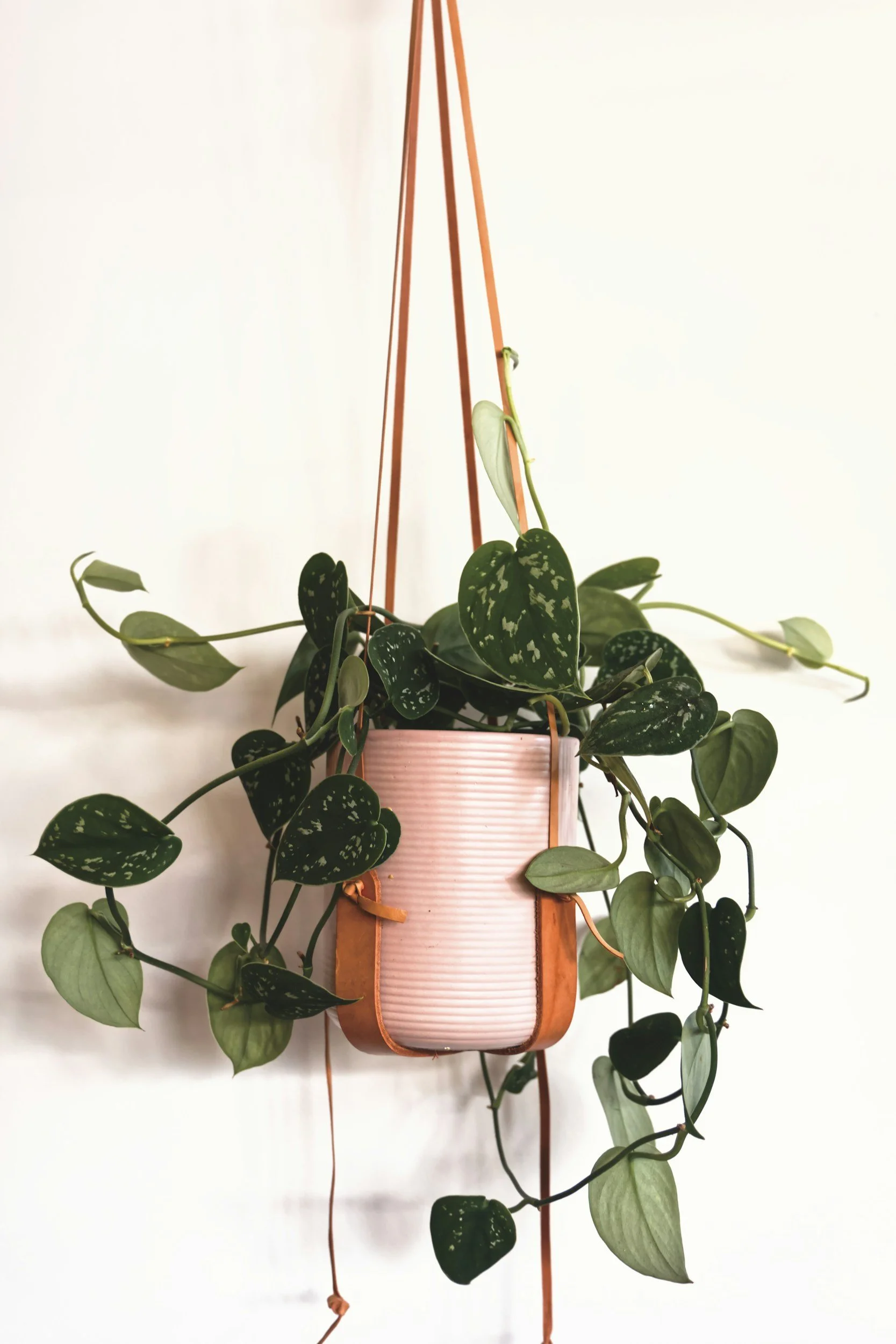
Scindapsus Pictus is a popular trailing vine known for its stunning heart-shaped leaves adorned with silvery markings and a satiny sheen. This low-maintenance houseplant thrives in a variety of indoor conditions, making it a great choice for both novice and experienced plant enthusiasts.
1. Light:
Ideal: Bright, indirect light is perfect for Scindapsus Pictus. It thrives in well-lit areas but should be protected from direct sunlight, which can scorch its leaves.
Low Light Tolerance: While it can tolerate low light conditions, this may slow growth and diminish the vibrancy of its leaf patterns.
2. Watering:
Moderate Watering: Water when the top inch of the soil is dry. Scindapsus Pictus prefers to dry out slightly between waterings but should not be left completely dry for extended periods.
Overwatering Risk: Ensure that the pot has good drainage to prevent water from sitting in the bottom, which can lead to root rot.
3. Humidity:
Average to High Humidity: Scindapsus Pictus can thrive in average household humidity but appreciates higher humidity levels (50% or more).
Boosting Humidity: If your home is dry, consider using a humidifier or placing the plant on a pebble tray with water to increase moisture levels around it.
4. Temperature:
Preferred Range: 65-85°F (18-29°C). Scindapsus Pictus prefers warm temperatures and should be kept away from cold drafts or sudden temperature changes.
Cold Sensitivity: Avoid exposing the plant to temperatures below 50°F (10°C) to prevent stress and damage.
5. Soil:
Well-Draining Mix: Use a well-draining potting mix, such as a standard houseplant mix combined with perlite or orchid bark to improve drainage.
Aerated Soil: Scindapsus Pictus prefers an airy soil mix that allows for good root aeration and prevents water retention.
6. Fertilizer:
During Growth: Feed the plant every 4-6 weeks during the growing season (spring and summer) with a balanced, water-soluble fertilizer diluted to half strength.
Dormant Period: Reduce or stop fertilizing in the fall and winter when the plant's growth slows.
7. Repotting:
Infrequent Repotting: Scindapsus Pictus doesn’t require frequent repotting and prefers being slightly root-bound. Repot every 2-3 years or when it becomes root-bound in its pot.
Choose a Slightly Larger Pot: When repotting, choose a pot that is slightly larger to give the roots room to grow.
8. Pruning:
Regular Pruning: Prune to remove any dead or yellowing leaves and to encourage bushier growth. Trim back long vines to promote branching and fuller foliage.
Maintain Shape: Regular pruning helps maintain the plant's shape and prevents it from becoming too leggy.
9. Propagation:
Stem Cuttings: Scindapsus Pictus can be easily propagated by taking stem cuttings with at least one node. Place the cuttings in water or moist soil until roots develop.
Best Time for Propagation: Spring or summer is the ideal time for propagation when the plant is actively growing.
10. Pests:
Common Pests: Watch for pests such as spider mites, mealybugs, and aphids. Regularly check the undersides of leaves and treat infestations with neem oil or insecticidal soap as needed.
-
Scindapsus Pictus Dark Form is admired for its striking foliage, featuring dark green leaves with contrasting silver patterns. This beautiful trailing plant is perfect for adding a touch of elegance to your indoor space while being relatively easy to care for.
1. Light:
Ideal: Bright, indirect light is best for Scindapsus Pictus Dark Form. It flourishes in well-lit areas but should be shielded from direct sunlight to prevent leaf scorch.
Low Light Tolerance: It can adapt to medium light, but growth may slow down, and the vibrancy of the leaves might decrease.
2. Watering:
Moderate Watering: Water when the top inch of soil feels dry. Scindapsus Pictus Dark Form prefers to dry out slightly between waterings, as it can tolerate some drought.
Overwatering Risk: Ensure that the pot has adequate drainage to avoid water pooling at the bottom, which can lead to root rot.
3. Humidity:
Average to High Humidity: This plant thrives in average household humidity (40-60%) but benefits from higher humidity levels.
Boosting Humidity: If your home is dry, consider misting the leaves or using a humidifier to maintain optimal moisture levels around the plant.
4. Temperature:
Preferred Range: 65-85°F (18-29°C). Scindapsus Pictus Dark Form enjoys warm temperatures and should be kept away from cold drafts or sudden temperature fluctuations.
Cold Sensitivity: Avoid exposure to temperatures below 50°F (10°C) to prevent damage and growth stunting.
5. Soil:
Well-Draining Mix: Use a well-draining potting mix, such as a standard houseplant mix combined with perlite or orchid bark to enhance drainage.
Aerated Soil: Scindapsus Pictus Dark Form prefers a light, airy soil mix that allows for proper root aeration and prevents water retention.
6. Fertilizer:
During Growth: Fertilize every 4-6 weeks during the growing season (spring and summer) with a balanced, water-soluble fertilizer diluted to half strength.
Dormant Period: Reduce or halt fertilizing in the fall and winter when the plant's growth slows.
7. Repotting:
Infrequent Repotting: This plant prefers being slightly root-bound, so repotting every 2-3 years or when it becomes root-bound in its pot is sufficient.
Choose a Slightly Larger Pot: When repotting, select a pot that is just a size larger to allow for root expansion.
8. Pruning:
Regular Pruning: Prune to remove any dead or damaged leaves and to encourage fuller growth. Trim back long vines to promote branching.
Maintain Shape: Regular pruning helps maintain the plant's shape and prevents legginess.
9. Propagation:
Stem Cuttings: Propagate through stem cuttings with at least one node. Place cuttings in water or moist soil until roots develop.
Best Time for Propagation: Spring or summer is the ideal time for propagation when the plant is actively growing.
10. Pests:
Common Pests: Be vigilant for pests like spider mites, mealybugs, and aphids. Check the undersides of leaves regularly and treat infestations with neem oil or insecticidal soap.
-
Scindapsus Pictus Exotica is cherished for its beautiful, heart-shaped leaves featuring a unique pattern of silver and green, making it an eye-catching addition to any indoor plant collection.
1. Light:
Ideal: Bright, indirect light is best for Scindapsus Pictus Exotica. It thrives in well-lit areas but should be protected from direct sunlight to prevent leaf burn.
Low Light Tolerance: It can tolerate medium light, though this may slow growth and reduce the vibrancy of its variegation.
2. Watering:
Moderate Watering: Allow the top inch of soil to dry out between waterings. This plant prefers to be on the drier side, so avoid overwatering.
Overwatering Risk: Ensure good drainage in the pot to prevent water from accumulating, which can lead to root rot.
3. Humidity:
Average to High Humidity: Scindapsus Pictus Exotica thrives in average household humidity (40-60%) but appreciates higher humidity levels.
Boosting Humidity: In dry environments, misting the leaves or using a humidifier can help maintain the necessary moisture.
4. Temperature:
Preferred Range: 65-85°F (18-29°C). It enjoys warm conditions and should be kept away from cold drafts or sudden temperature changes.
Cold Sensitivity: Avoid exposing the plant to temperatures below 50°F (10°C), as this can stunt growth and damage the foliage.
5. Soil:
Well-Draining Mix: Use a well-draining potting mix, such as a standard houseplant mix combined with perlite or orchid bark for improved drainage.
Aerated Soil: Scindapsus Pictus Exotica prefers a light and airy mix that allows for proper root aeration.
6. Fertilizer:
During Growth: Fertilize every 4-6 weeks during the growing season (spring and summer) with a balanced, water-soluble fertilizer diluted to half strength.
Dormant Period: Reduce or stop fertilizing in the fall and winter when the plant's growth slows.
7. Repotting:
Infrequent Repotting: This plant prefers to be slightly root-bound, so repotting every 2-3 years or when it becomes root-bound is sufficient.
Choose a Slightly Larger Pot: When repotting, select a pot that is just a size larger to allow for root expansion.
8. Pruning:
Regular Pruning: Prune to remove any dead or yellowing leaves and to encourage fuller growth. Trim back long vines to promote branching and bushiness.
Maintain Shape: Pruning helps maintain a compact shape and prevents the plant from becoming leggy.
9. Propagation:
Stem Cuttings: Propagate through stem cuttings with at least one node. Place the cuttings in water or directly into moist soil until roots develop.
Best Time for Propagation: Spring or summer is the ideal time for propagation when the plant is actively growing.
10. Pests:
Common Pests: Watch for pests like spider mites, mealybugs, and aphids. Regularly inspect the leaves and treat any infestations with neem oil or insecticidal soap.
-
Scindapsus Treubii Dark Form is celebrated for its unique dark green leaves, which can appear almost black, making it a stunning choice for any plant enthusiast. This variety is relatively easy to care for, adding a touch of sophistication to your indoor plant collection.
1. Light:
Ideal: Bright, indirect light is best for Scindapsus Treubii Dark Form. It thrives in well-lit areas but should be shielded from direct sunlight to prevent leaf burn.
Low Light Tolerance: It can tolerate lower light conditions, but this may slow growth and reduce the vibrancy of the leaf color.
2. Watering:
Moderate Watering: Allow the top inch of soil to dry out between waterings. The plant prefers to be slightly drier rather than overwatered.
Overwatering Risk: Ensure the pot has good drainage to prevent water accumulation, which can lead to root rot.
3. Humidity:
Average to High Humidity: Scindapsus Treubii Dark Form thrives in humidity levels between 40-60%. Higher humidity is beneficial, especially in drier environments.
Boosting Humidity: If the air is particularly dry, misting the leaves or using a humidifier can help maintain optimal moisture levels.
4. Temperature:
Preferred Range: 65-85°F (18-29°C). This plant enjoys warm temperatures and should be kept away from cold drafts and sudden temperature fluctuations.
Cold Sensitivity: Avoid temperatures below 50°F (10°C), as cold can damage the leaves and hinder growth.
5. Soil:
Well-Draining Mix: Use a well-draining potting mix, such as a standard houseplant mix mixed with perlite or orchid bark to improve drainage.
Aerated Soil: A light and airy mix is preferred to ensure proper root aeration and prevent soggy conditions.
6. Fertilizer:
During Growth: Fertilize every 4-6 weeks during the growing season (spring and summer) with a balanced, water-soluble fertilizer diluted to half strength.
Dormant Period: Reduce or stop fertilizing in fall and winter when the plant's growth slows.
7. Repotting:
Infrequent Repotting: Scindapsus Treubii Dark Form prefers to be slightly root-bound, so repot every 2-3 years or when it outgrows its current pot.
Choose a Slightly Larger Pot: When repotting, select a pot that is just slightly larger to allow for root expansion.
8. Pruning:
Regular Pruning: Prune to remove dead or yellowing leaves and to encourage fuller growth. Trimming back long vines can promote branching and bushiness.
Maintain Shape: Regular pruning helps maintain a compact shape and prevents legginess.
9. Propagation:
Stem Cuttings: Propagate through stem cuttings with at least one node. Place cuttings in water or directly into moist soil until roots develop.
Best Time for Propagation: Spring or summer is the ideal time for propagation when the plant is actively growing.
10. Pests:
Common Pests: Watch for pests such as spider mites, mealybugs, and aphids. Regularly inspect leaves and treat any infestations with neem oil or insecticidal soap.