

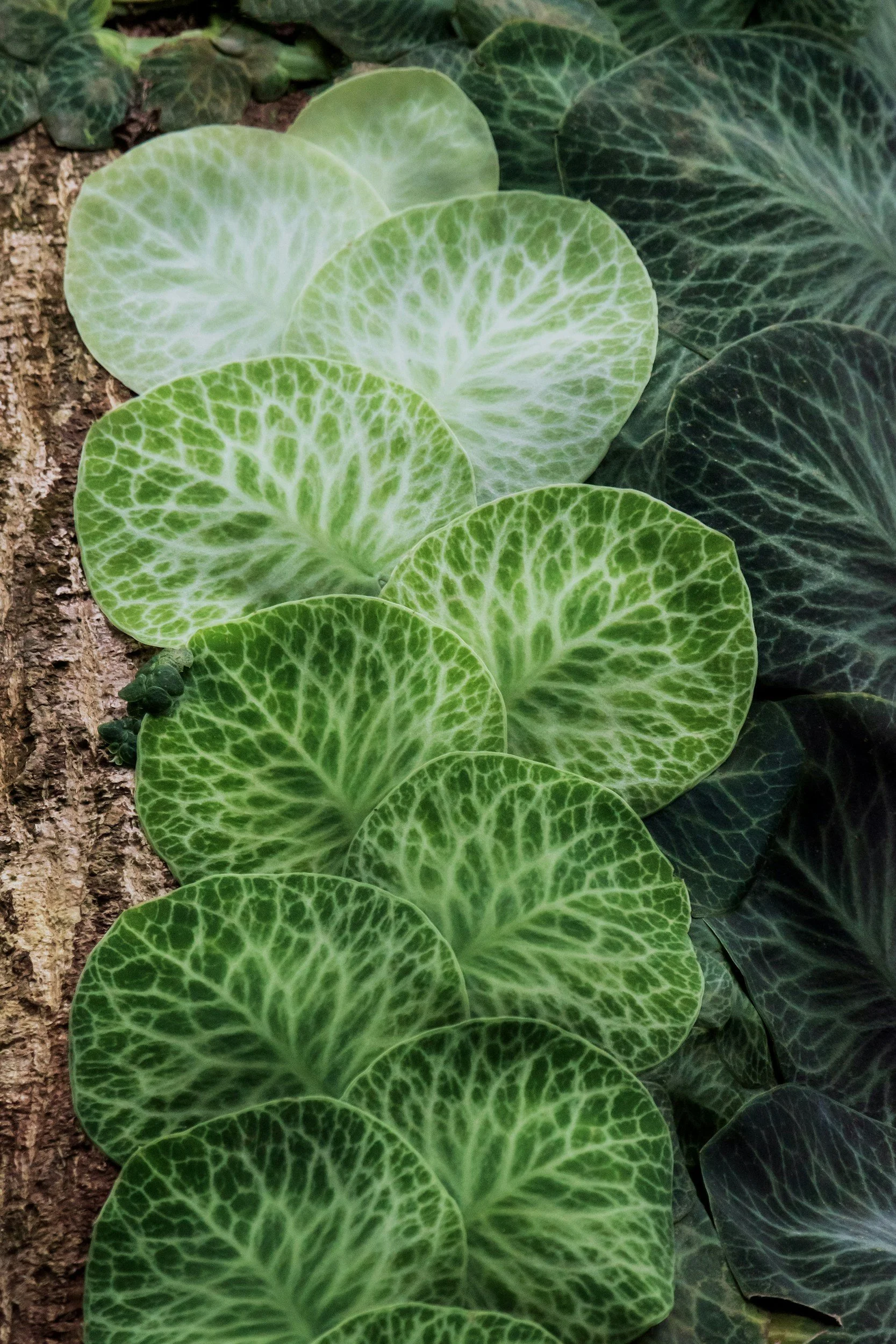
Rhaphidophora
-
Rhaphidophora Cryptantha is an eye-catching, shingling plant known for its small, heart-shaped, dark green leaves that hug tightly against surfaces as it climbs. Native to tropical rainforests, this plant is ideal for those who enjoy cultivating unique climbers with a distinctive growth habit.
1. Light:
Ideal: Bright, indirect light is perfect for Rhaphidophora Cryptantha. It thrives in well-lit spaces but should be protected from direct sunlight, which can scorch its leaves.
Low Light Tolerance: While it can adapt to lower light conditions, this will significantly slow its growth and may cause the leaves to lose some of their vibrant coloration.
2. Watering:
Moderate Watering: Keep the soil consistently moist but not soggy. Allow the top 1-2 inches of soil to dry out between waterings. Overwatering can lead to root rot.
Overwatering Risk: Ensure the plant’s pot has good drainage, and avoid waterlogged conditions. Rhaphidophora Cryptantha prefers evenly moist soil, but stagnant water is harmful.
3. Humidity:
High Humidity: This plant thrives in high humidity (60-80%) due to its tropical origins. It will benefit from misting or placement in more humid areas, such as a bathroom or near a humidifier.
Boosting Humidity: To enhance humidity levels, regularly mist the plant or group it with other humidity-loving plants. Using a pebble tray or a humidifier will also help maintain optimal moisture.
4. Temperature:
Preferred Range: 65-80°F (18-27°C) is the optimal temperature range. Rhaphidophora Cryptantha prefers warmth and doesn’t tolerate cold drafts or sudden temperature fluctuations.
Cold Sensitivity: Avoid exposing the plant to temperatures below 55°F (13°C), as this can cause leaf damage and stunt growth.
5. Soil:
Well-Draining Mix: Use a well-draining, aerated mix such as one for aroids. A blend of peat, perlite, and orchid bark will provide the right balance of drainage and moisture retention.
Airy Soil: The plant's shingling nature means it prefers soil that won’t stay waterlogged, similar to other tropical epiphytes.
6. Fertilizer:
During Growth: Feed the plant every 4-6 weeks during the growing season (spring and summer) with a balanced, water-soluble fertilizer diluted to half strength.
Dormant Period: Reduce feeding in the fall and winter when the plant's growth naturally slows down.
7. Repotting:
Infrequent Repotting: Rhaphidophora Cryptantha is a slow-growing plant and doesn’t need frequent repotting. Repot every 2-3 years or when the plant becomes root-bound.
8. Climbing Support:
Support for Shingling: To encourage its natural shingling growth pattern, provide Rhaphidophora Cryptantha with a flat surface to climb, such as a moss pole, wood plank, or wall. It will adhere to surfaces with its aerial roots.
Shingling Behavior: The leaves will grow flush against the support surface, creating a beautiful shingling effect as it climbs vertically.
9. Pruning:
Minimal Pruning: Little pruning is required for this plant. Trim back any dead or damaged leaves, and remove any sections that disrupt its climbing pattern.
10. Propagation:
Stem Cuttings: Rhaphidophora Cryptantha can be propagated through stem cuttings. Take a cutting just below a node and place it in water or moist soil. Keep it in a warm, humid environment until roots form.
11. Pests:
Common Pests: Watch for pests like spider mites, aphids, and mealybugs. If pests are detected, treat the plant with insecticidal soap or neem oil.
-
Rhaphidophora Tetrasperma, also known as "Mini Monstera" or "Ginny," is a vining plant native to Southeast Asia that has become increasingly popular for its small, split leaves that resemble those of the larger Monstera deliciosa. Despite the resemblance, it's a completely different species and has a faster growth rate, making it a favorite among indoor plant enthusiasts.
1. Light:
Ideal: Bright, indirect light is best for Rhaphidophora Tetrasperma. It will thrive in a well-lit space but should be shielded from direct sunlight, which can cause leaf burn.
Low Light Tolerance: It can adapt to lower light conditions but will grow more slowly and may lose some of the characteristic leaf fenestrations (splits).
2. Watering:
Moderate Watering: Allow the top 1-2 inches of soil to dry out between waterings. Water the plant thoroughly, allowing excess water to drain from the pot.
Overwatering Risk: Avoid overwatering, which can lead to root rot. Ensure the pot has proper drainage to keep the roots from sitting in water.
3. Humidity:
Average to High Humidity: Rhaphidophora Tetrasperma thrives in average household humidity (40-60%) but prefers higher humidity levels. Increasing humidity can promote more robust growth.
Boosting Humidity: Use a humidifier, mist the plant regularly, or place it on a pebble tray to raise the humidity, especially in dry climates or during the winter months.
4. Temperature:
Preferred Range: 65-85°F (18-29°C). This tropical plant enjoys warm conditions and should be protected from cold drafts and sudden temperature changes.
Cold Sensitivity: Do not expose the plant to temperatures below 55°F (13°C), as it is sensitive to the cold and may suffer damage.
5. Soil:
Well-Draining Soil: Use a well-draining potting mix, such as one for aroids, which includes peat, perlite, and orchid bark. This allows for proper aeration while retaining some moisture.
Airy Soil: The plant’s roots prefer soil that is light and airy, so avoid using dense or compacted soil, which can lead to root rot.
6. Fertilizer:
During Growth: Feed the plant every 4-6 weeks during the growing season (spring and summer) with a balanced, water-soluble fertilizer diluted to half strength.
Dormant Period: In fall and winter, reduce feeding as the plant's growth slows.
7. Repotting:
Repotting Frequency: Rhaphidophora Tetrasperma grows quickly and may need repotting every 1-2 years. Choose a pot one size larger if it becomes root-bound.
Check Root Growth: If you notice roots growing out of the drainage holes or circling the inside of the pot, it's time to repot.
8. Climbing Support:
Support for Climbing: This vining plant benefits from a trellis, moss pole, or other support structures. Without support, it will trail, but climbing allows it to grow more vigorously and display its characteristic split leaves.
Encouraging Fenestrations: Giving the plant vertical support and ample light encourages the development of its signature split leaves.
9. Pruning:
Pruning for Shape: Rhaphidophora Tetrasperma can be pruned to maintain shape or encourage bushier growth. Cut just above a node to promote new growth.
Pruning Vines: Long, leggy vines can be trimmed back to control the plant's overall size.
10. Propagation:
Stem Cuttings: Propagate Rhaphidophora Tetrasperma by taking stem cuttings that include at least one node. Place the cutting in water or moist soil until roots develop, then transfer to soil.
Propagation Season: Spring and summer are the best times for propagation when the plant is actively growing.
11. Pests:
Common Pests: Like most houseplants, Rhaphidophora Tetrasperma may be susceptible to spider mites, mealybugs, or scale. Inspect the plant regularly and treat with neem oil or insecticidal soap if pests appear.
-
Rhaphidophora Decursiva is a tropical, vining plant native to Southeast Asia, known for its large, dramatic, deeply split leaves that can resemble those of a Monstera as the plant matures. This unique plant brings an exotic vibe to any indoor space and is relatively easy to care for with the right conditions.
1. Light:
Ideal: Bright, indirect light is best for Rhaphidophora Decursiva. It will thrive in a well-lit room but should be kept out of direct sunlight, which can scorch its leaves.
Low Light Tolerance: It can tolerate lower light conditions, but growth will be slower, and the leaves may not develop their characteristic splits.
2. Watering:
Moderate Watering: Allow the top 2 inches of soil to dry out between waterings. Water thoroughly, making sure the excess drains out of the pot to avoid root rot.
Overwatering Risk: Be cautious not to overwater, as standing water can cause the roots to rot. Ensure the pot has drainage holes.
3. Humidity:
Average to High Humidity: This tropical plant appreciates higher humidity levels but can tolerate the typical range found in homes (40-60%).
Boosting Humidity: Mist the plant, use a humidifier, or place it on a tray with pebbles and water to maintain higher humidity, especially during dry seasons.
4. Temperature:
Preferred Range: 60-85°F (16-29°C). Rhaphidophora Decursiva thrives in warm temperatures and does not tolerate cold drafts or temperatures below 55°F (13°C).
Cold Sensitivity: Exposure to temperatures below 55°F (13°C) can damage the plant and stunt its growth.
5. Soil:
Well-Draining Mix: Use a well-draining, chunky potting mix that mimics the plant’s natural environment. A mix of regular potting soil with perlite and orchid bark will provide both drainage and aeration.
Airy Soil: Light, airy soil is essential to prevent water retention, which can lead to root issues.
6. Fertilizer:
During Growth: Fertilize every 4-6 weeks during spring and summer with a balanced, water-soluble fertilizer diluted to half strength.
Dormant Period: In fall and winter, reduce fertilization as the plant’s growth slows.
7. Repotting:
Repotting Frequency: Rhaphidophora Decursiva grows steadily and may need repotting every 1-2 years. Repot when the roots outgrow the pot or become root-bound.
Pot Size: Move to a pot one size larger to accommodate the growing root system, ensuring good drainage.
8. Climbing Support:
Support for Climbing: This is a climbing plant, so it will benefit from a moss pole, trellis, or other vertical support. Providing something to climb will encourage larger, more fenestrated leaves as it matures.
Leaf Fenestration: The signature split leaves develop as the plant climbs and matures in good light conditions.
9. Pruning:
Pruning for Shape: Prune to control the plant’s size or encourage bushier growth. Cut above a node to stimulate new growth.
Vine Management: Trim back long vines to keep the plant compact, especially if it’s not using a support structure.
10. Propagation:
Stem Cuttings: Rhaphidophora Decursiva can be propagated through stem cuttings. Take a cutting just below a node and place it in water or directly in moist soil until roots develop.
Best Time for Propagation: Spring or early summer is the best time for propagation when the plant is actively growing.
11. Pests:
Common Pests: Watch for common pests like spider mites, mealybugs, or scale. Treat with neem oil or insecticidal soap if an infestation occurs.
-
Rhaphidophora Hayi is a distinctive tropical plant known for its shingling growth pattern, where the leaves grow flat against a surface, such as a board or moss pole. Native to Southeast Asia, this epiphytic plant thrives in warm, humid environments and is an excellent addition to any rare plant collection. It is also popular for its compact size and unique growth habit, making it ideal for terrariums or smaller indoor spaces.
1. Light:
Ideal: Bright, indirect light is best for Rhaphidophora Hayi. It can handle filtered sunlight but should be protected from direct sun, which can scorch the leaves.
Low Light Tolerance: The plant can tolerate lower light, but this will slow its growth and may affect the size and health of the leaves.
2. Watering:
Consistent Moisture: Keep the soil consistently moist but not soggy. Water when the top inch of the soil feels dry, and make sure the pot has drainage to prevent waterlogging.
Overwatering Risk: Avoid letting the plant sit in water, as this can lead to root rot. A well-draining potting mix helps prevent this issue.
3. Humidity:
High Humidity: Rhaphidophora Hayi thrives in high humidity environments (60% or above). It’s well-suited to humid rooms like bathrooms or kitchens.
Boosting Humidity: If your home is dry, increase humidity by misting the plant regularly, using a humidifier, or placing it on a pebble tray with water.
4. Temperature:
Preferred Range: 65-85°F (18-29°C). Rhaphidophora Hayi prefers warm temperatures and does not tolerate cold drafts or sudden temperature changes.
Cold Sensitivity: Avoid temperatures below 55°F (13°C), which can stress the plant and stunt its growth.
5. Soil:
Well-Draining Mix: Use a well-draining mix, such as a combination of regular potting soil with perlite and orchid bark. This prevents the soil from retaining too much water while providing aeration.
Epiphytic Needs: Since Rhaphidophora Hayi is an epiphyte in nature, it prefers light, airy soil mixes that mimic its natural environment.
6. Fertilizer:
During Growth: Feed the plant every 4-6 weeks during the growing season (spring and summer) with a balanced, diluted fertilizer.
Dormant Period: Reduce or stop fertilizing during fall and winter when the plant’s growth slows.
7. Support for Shingling:
Climbing Support: Rhaphidophora Hayi grows flat against surfaces, so it needs a vertical support like a moss pole, wooden board, or plank to "shingle" properly. Providing a climbing surface encourages the plant’s natural growth pattern.
Mature Leaf Development: The plant’s unique shingling behavior will only fully develop when it has a suitable vertical surface to climb.
8. Repotting:
Infrequent Repotting: Rhaphidophora Hayi doesn’t need frequent repotting and prefers being slightly root-bound. Repot only every 2-3 years or when the plant outgrows its pot.
Handle with Care: When repotting, take care not to disturb the roots too much, as it can be sensitive to root disturbances.
9. Pruning:
Minimal Pruning: Prune sparingly to remove dead or damaged leaves. Cutting too much can affect its shingling growth habit.
Vine Management: Trim back vines if the plant outgrows its space or to control its shape.
10. Propagation:
Stem Cuttings: Rhaphidophora Hayi can be propagated by taking stem cuttings with at least one node. Place the cutting in water or moist soil, and keep it in a warm, humid environment until roots develop.
Best Time for Propagation: Early spring or summer is the best time for propagation when the plant is actively growing.
11. Pests:
Common Pests: Watch out for pests such as spider mites, mealybugs, or scale. Regularly inspect the plant and treat infestations with neem oil or insecticidal soap if necessary.