


Mounts
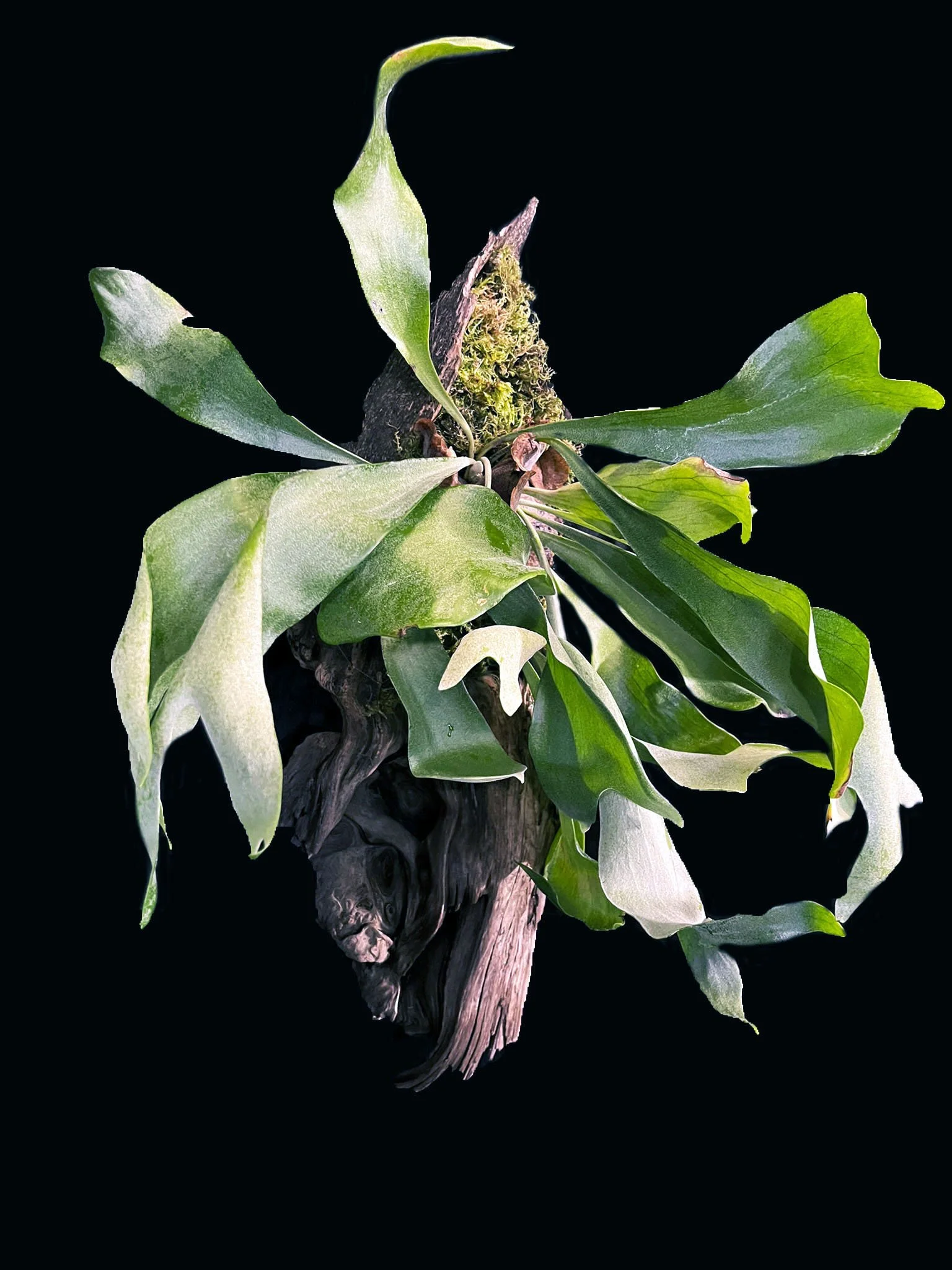
Plant mounts are a unique and artistic way to showcase plants that naturally grow on other surfaces, such as trees or rocks.
This method can enhance air circulation and light exposure for the plants, leading to robust growth.
1. Light:
Ideal: Most mounted plants thrive in bright, indirect light. Place mounts where they can receive adequate light without direct sun exposure.
Avoid Low Light: Insufficient light can slow growth and inhibit blooming, particularly for light-loving species.
2. Watering:
Regular Mistings: Depending on the plant's needs, mist the mounted plant daily or every few days to maintain moisture. This simulates humidity levels found in their natural habitat.
Soaking Method: Occasionally, you can soak the entire mount in water for 10-15 minutes to fully hydrate the plant and substrate.
3. Humidity:
High Humidity: Most mounted plants prefer humidity levels of 50% or higher. Increase humidity with regular misting or by placing the mount in a humid area.
Humidity Trays: If the environment is dry, consider using a humidity tray filled with pebbles and water to elevate moisture levels around the plant.
4. Temperature:
Preferred Range: Maintain temperatures between 60-80°F (15-27°C) for optimal growth. Most mounted plants do not tolerate cold drafts or temperature fluctuations well.
Avoid Extremes: Protect mounted plants from extreme temperatures and sudden changes, which can stress the plants.
5. Substrate:
Natural Materials: Use natural materials for mounting, such as cork, driftwood, or tree branches. These materials allow for proper drainage and airflow, which is essential for the health of epiphytic plants.
Moss Layer: Consider using sphagnum moss to cover the roots or attach the plant to the mount, as it helps retain moisture and provides additional nutrients.
6. Fertilizer:
Diluted Fertilizer: During the growing season, fertilize mounted plants with a diluted, balanced liquid fertilizer every 4-6 weeks to encourage healthy growth.
Organic Options: Alternatively, consider organic fertilizers like fish emulsion or seaweed extract, which are gentle and beneficial for mounted plants.
7. Pruning:
Minimal Pruning: Prune only to remove dead or damaged leaves. Be cautious not to cut too much, as this can affect the plant's ability to photosynthesize.
Training Vines: If the plant has long vines, you can guide them around the mount to encourage fuller growth and coverage.
8. Maintenance:
Regular Inspection: Check the plant for pests and signs of disease regularly. Promptly address any issues to prevent infestations from spreading.
Cleaning: Dust the mount and plant regularly to ensure that the plant receives adequate light and to prevent pests.
9. Pests:
Common Pests: Keep an eye out for pests such as mealybugs, aphids, and spider mites. If you notice any infestations, treat the plant with insecticidal soap or neem oil.
Preventive Measures: Healthy plants are less susceptible to pests, so maintaining good care practices is essential.
10. Re-Mounting:
Refreshing Mounts: If the plant outgrows its mount or if the substrate degrades, consider re-mounting to ensure continued growth and health.
Careful Removal: When re-mounting, gently remove the plant from its current mount and reattach it to a new substrate, ensuring the roots are adequately secured.