1. Light:
Ideal: Place terrariums in bright, indirect light. Most plants thrive with 6-8 hours of filtered light each day.
Avoid Direct Sunlight: Direct sunlight can cause overheating and humidity build-up, leading to plant stress and mold growth.
2. Watering:
Moisture Monitoring: Open terrariums require more frequent watering, while closed ones maintain higher humidity levels and may only need watering every few weeks.
Water Sparingly: Use a spray bottle to mist the plants lightly. Avoid overwatering, as excess moisture can lead to root rot and mold.
3. Humidity:
Closed Terrariums: These create a humid microclimate, requiring little additional moisture. If condensation forms excessively, open the lid occasionally to balance humidity.
Open Terrariums: Maintain humidity levels by occasionally misting the plants, especially in dry environments.
4. Temperature:
Preferred Range: Most terrarium plants thrive in temperatures between 60-75°F (15-24°C). Avoid placing terrariums in drafty or extreme temperature areas.
Avoid Cold Drafts: Protect the terrarium from sudden temperature changes to ensure plant health.
5. Soil:
Well-Draining Soil: Use a lightweight, well-draining potting mix suitable for terrariums. A blend of potting soil, sand, and activated charcoal can help with drainage and odor control.
Layering: Consider adding a drainage layer (gravel or pebbles) at the bottom to prevent water from accumulating.
6. Fertilizer:
Minimal Fertilizing: Use a diluted, balanced liquid fertilizer sparingly (once every few months) to avoid nutrient overload. Terrarium plants generally require less fertilization than outdoor plants.
Monitor Growth: Keep an eye on plant growth; if they appear to be growing slowly, consider a light feeding.
7. Pruning:
Regular Pruning: Trim back any overgrown plants to prevent crowding and promote healthy growth. This is especially important in closed terrariums.
Remove Dead Leaves: Clear out any dead or yellowing leaves to maintain a clean environment and prevent mold.
8. Maintenance:
Cleaning Glass: Regularly wipe the inside of the glass container to remove dust or condensation buildup, ensuring adequate light reaches the plants.
Monitoring Health: Keep an eye on the plants for signs of distress, such as wilting, discoloration, or mold growth, and address any issues promptly.
9. Pests:
Common Pests: Watch for pests such as fungus gnats, aphids, and spider mites. If infestations occur, remove affected plants and treat with insecticidal soap if necessary.
Preventive Measures: Keeping plants healthy and the environment clean can help prevent pest problems.
10. Replanting:
Refreshing the Terrarium: Consider refreshing or replanting when the plants outgrow the terrarium or when the soil degrades. Remove plants carefully and replace with new ones as desired.
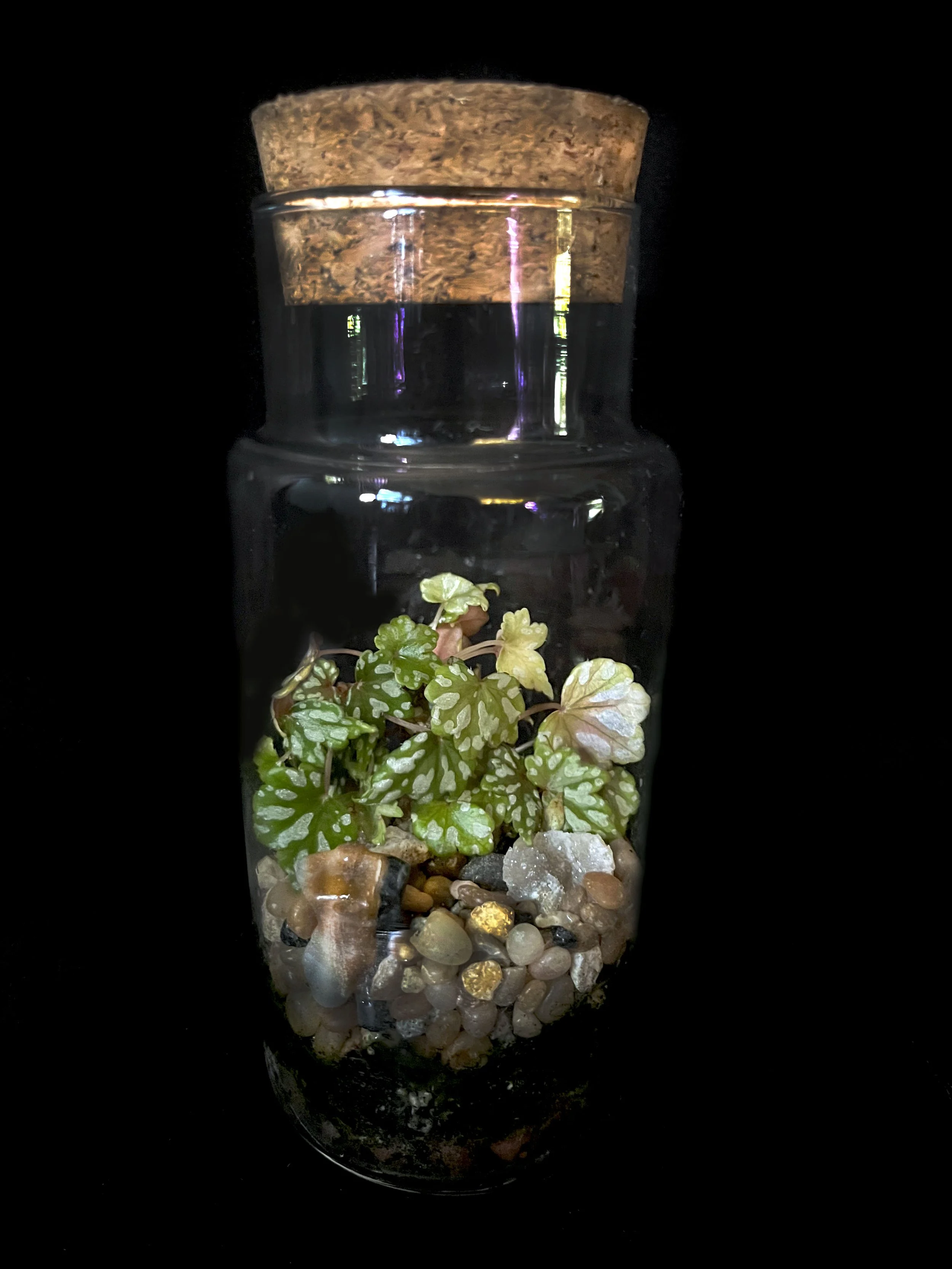
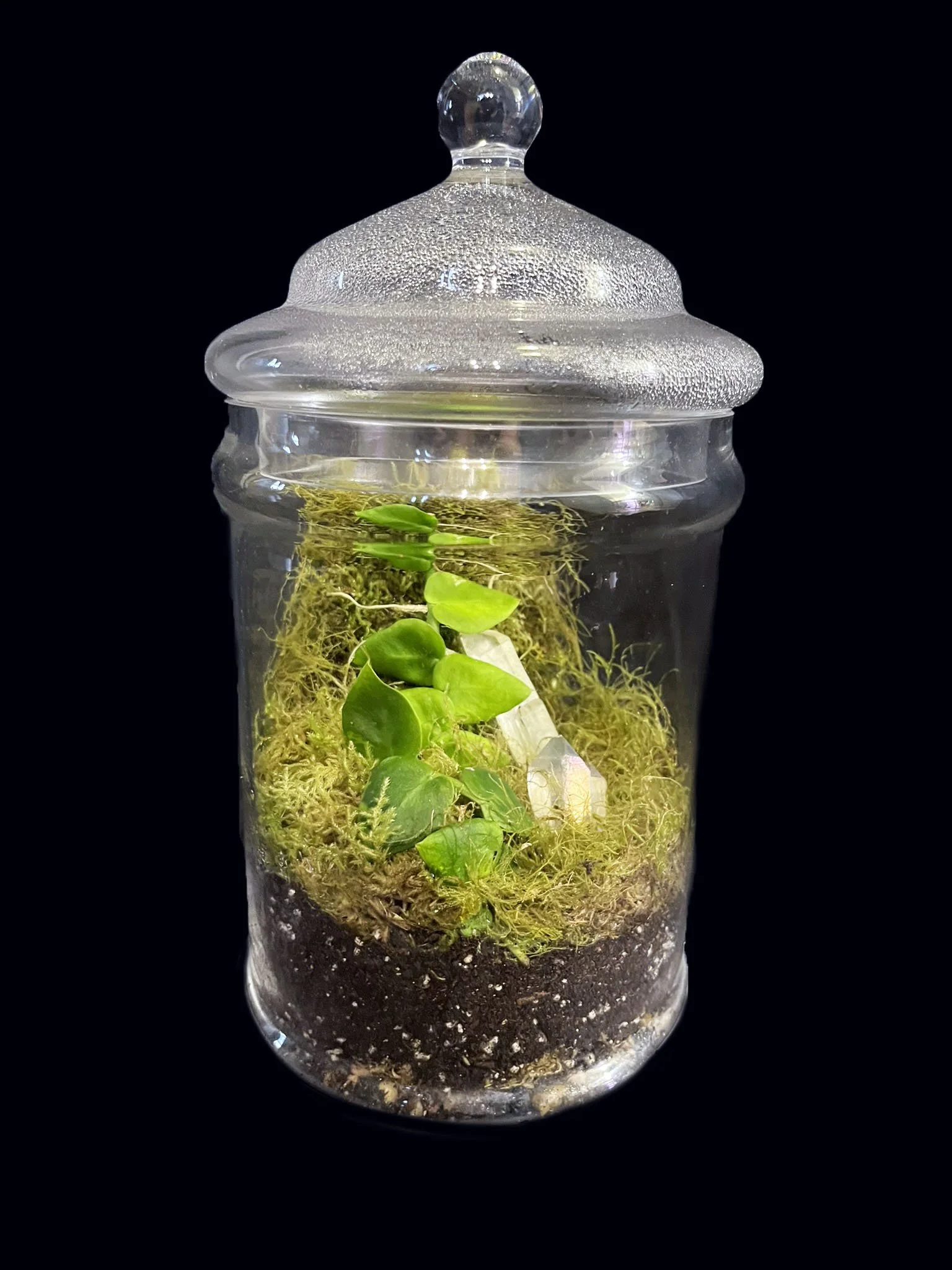
Self-contained environments that can house a variety of plants, providing a unique and attractive way to display greenery.
They can be open or closed, each offering different care requirements.